

Before stepping onto the field, court, or track, ensuring your body is ready to meet the demands of your sport is essential. A sports physical plays a critical role in assessing your overall health, identifying potential risks, and helping you perform at your best.
This exam goes beyond a routine check-up, focusing specifically on the physical and medical factors that impact athletic performance. Knowing what to expect and how to prepare can streamline the process, so you’re ready to compete safely and with confidence. Let’s break down the key aspects to help you make the most out of this important step in your athletic journey.
Understanding the Purpose of a Sports Physical
A sports physical, often referred to as a preparticipation physical evaluation (PPE), is a medical exam designed to ensure athletes can safely participate in their chosen sports. This essential assessment evaluates physical readiness, identifies potential health concerns, and minimizes the risk of injury during athletic activities.
The sports physical consists of two key components—medical history and physical examination. The medical history portion gathers details about past illnesses, injuries, surgeries, and family health conditions such as heart issues or asthma. It also includes questions about medications, allergies, and overall lifestyle habits. Accurate and honest responses are crucial as they help healthcare providers detect potential risks that might otherwise go unnoticed.
The physical examination complements this by assessing vital aspects like height, weight, heart and lung function, vision, flexibility, and joint strength. For athletes, these evaluations determine not just general health but also identify areas requiring improvement or attention. For instance, adjustments in asthma treatment or recommendations for physical therapy may be proposed to enhance performance and prevent complications.
By addressing both general health and sport-specific demands, the sports physical is a proactive step in safeguarding athletes’ well-being. It ensures athletes are fully prepared for the physical challenges of their sport, promoting both safety and peak performance.
Related: Women’s Health: Focusing on Wellness at Every Life Stage
Key Components of the Examination: What to Expect

A sports physical encompasses two crucial aspects—medical history and a physical examination. Together, these components assess whether an athlete is ready to safely engage in a sport while addressing potential risks.
Here’s what to expect during the exam:
Medical History
The healthcare provider gathers detailed information to identify any risk factors that may impact athletic performance or safety. Be prepared to discuss:
- Past injuries (e.g., concussions, fractures, or sprains)
- Chronic conditions such as asthma or diabetes
- Family medical history, including heart diseases or other hereditary concerns
- Current medications, supplements, and any allergies
- Symptoms experienced during physical activity, like dizziness or chest pain
Physical Examination
This part evaluates your overall health and fitness through a range of checks, including:
- Measurement of height, weight, and vital signs (blood pressure and pulse)
- Vision testing
- Assessment of the heart and lungs
- Examination of the abdomen, posture, joints, and flexibility
- Hearing and ENT (ear, nose, and throat) evaluation
This comprehensive review helps identify potential health issues early and ensures you are physically capable of handling the demands of your sport. By understanding and addressing these key components, you can safely prepare for optimal performance throughout the season.
Related: Geriatric Care Tips: Promoting Health and Longevity
Essential Documents and Information to Bring for Your Appointment
Proper preparation can make your sports physical appointment more efficient and thorough. To ensure the process goes smoothly, athletes should bring the following documents and details:
- Completed and Signed Forms
Many schools, leagues, or organizations require specific sports physical forms. Ensure these forms are filled out with any necessary signatures in advance. Double-check with your athletic program for requirements. - Medical History Information
Bring a detailed record of your personal and family medical history. This includes past illnesses, injuries (like concussions or fractures), surgeries, and chronic conditions such as asthma or diabetes. Accurate information helps in identifying potential concerns. - Immunization Records
Provide an up-to-date record of vaccinations. This ensures all preventative measures are current for safe athletic participation. - Medications and Supplements List
Include all current medications, including over-the-counter drugs, supplements, and prescriptions. This is vital for evaluating health and avoiding complications. - Primary Care Contact Information
Have your regular doctor’s contact details available for quick reference if further consultation is needed.
By having these essentials prepared, you streamline the appointment process and assist the healthcare provider in conducting a thorough evaluation. Taking these steps ensures you’re ready to safely engage in your sport.
Related: Understanding Minor Procedures: From Biopsies to Cyst Removal
Tips to Prepare Physically and Mentally for the Exam
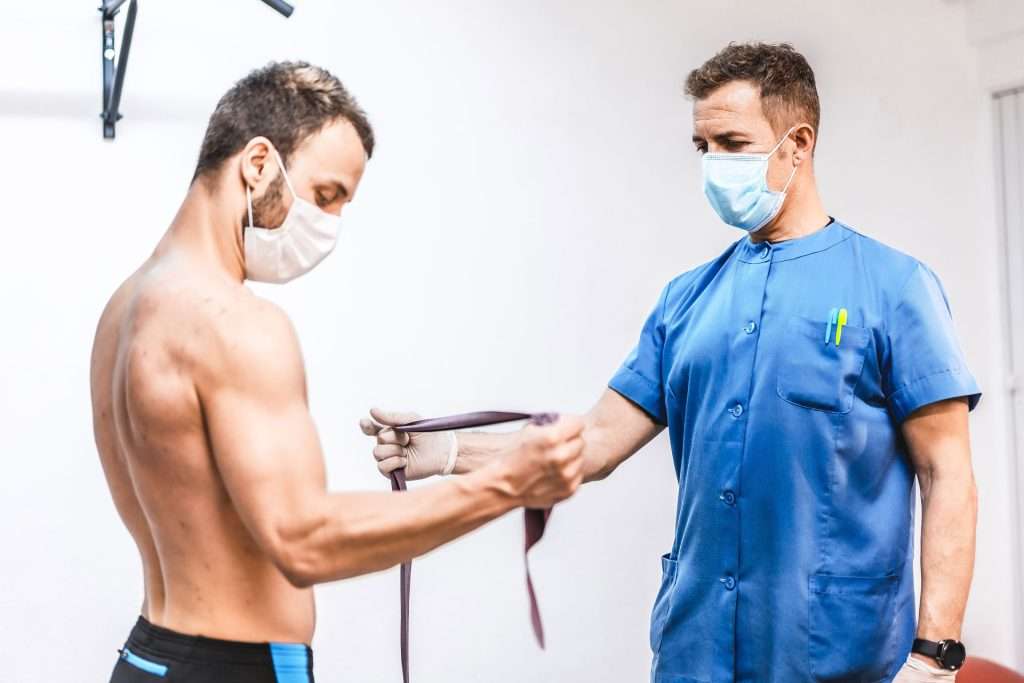
Getting ready for a sports physical doesn’t just ensure a smoother experience—it helps maximize the value of the exam itself. Here are eight practical tips to prepare both physically and mentally:
- Schedule in Advance
Book your appointment early, ideally six weeks before your sports season begins. This allows time to address any issues that may arise during the assessment. - Update Your Medical Records
Gather all necessary medical documents, including vaccination records, family medical history, and a list of current medications or supplements. - Note Recent Symptoms
Write down any unusual health symptoms, like dizziness or shortness of breath, to discuss with your healthcare provider. - Stay Hydrated and Nourished
Drink plenty of water and eat a balanced meal before the appointment to ensure optimal physical condition during the exam. - Wear Comfortable Clothing
Loose, sports-ready attire makes it easier for healthcare providers to conduct physical tests like flexibility and movement checks. - Prepare Questions
List any questions about your health, fitness goals, or nutrition to discuss with your provider. - Practice Deep Breathing
Manage any pre-exam nerves by practicing relaxation techniques like deep breathing or mindfulness. - Visualize Success
Frame the exam as the first stride toward peak performance, boosting your confidence for the season ahead.
By approaching the exam prepared, you’ll gain insights that will enhance your readiness and safety in your sport.
Related: Controlling Diabetes: Effective Management Strategies
Common Health Issues Detected During Sports Physicals
Sports physicals often uncover health conditions that might otherwise go unnoticed, ensuring athletes can safely participate in their sports. Some of the most common health issues identified include:
- Asthma
Asthma is a prevalent concern that can significantly impact athletic performance. Symptoms like wheezing and shortness of breath may worsen during physical exertion. Sports physicals help identify asthma and establish a management plan, such as using inhalers for symptom control. - Vision Problems
Undetected vision issues can affect both academic and athletic performance. Sports physicals often include vision tests to determine if corrective lenses are needed. - Heart Conditions
Heart murmurs or hypertension might be detected during a physical. While some murmurs are harmless, others may require further evaluation to rule out underlying cardiovascular problems. Identifying these issues early helps reduce risks during intense physical activity. - Musculoskeletal Injuries
Prior injuries, such as stress fractures or joint issues, are often flagged in sports physicals. This allows healthcare providers to recommend tailored recovery or conditioning plans. - Scoliosis
Abnormal spinal curvature can be detected during the exam. Early identification helps prevent further complications.
These evaluations provide a vital opportunity to address health issues and minimize risks, ensuring athletes are prepared for the physical demands of their sport.
How a Sports Physical Can Improve Your Athletic Performance
A sports physical plays a critical role in enhancing athletic performance by addressing key aspects of an athlete’s health and readiness. It goes beyond just granting eligibility for sports participation; it actively contributes to better performance and injury prevention.
One of the main benefits of a sports physical is its ability to identify underlying health issues that may impact athletic capability. For instance, conditions like asthma, heart murmurs, or musculoskeletal imbalances can be flagged early and managed appropriately. Addressing these concerns ensures that athletes compete safely without compromising their long-term well-being.
Additionally, sports physicals serve as a foundation for personalized fitness planning. By assessing your flexibility, strength, and cardiovascular health, healthcare providers can recommend targeted exercises and conditioning practices. These adjustments optimize your physical capabilities while reducing areas of weakness that might lead to injuries.
Beyond the physical aspect, sports physicals also emphasize the importance of proper nutrition, hydration, and rest. Adjusting your diet and recovery plans based on the results of your examination can significantly enhance endurance, strength, and overall athletic output.
By proactively addressing potential risks and equipping athletes with tailored fitness strategies, sports physicals empower you to reach peak performance while safeguarding your health.
The Role of Sports Physicals in Injury Prevention
Sports physicals are a critical step in keeping athletes safe by proactively identifying and managing potential health risks. These examinations provide vital insights into an athlete’s physical readiness, helping to mitigate the chance of injury during training or competition. By evaluating a range of factors such as medical history, musculoskeletal health, and cardiovascular fitness, sports physicals highlight issues that might otherwise go unnoticed.
For instance, conditions like joint instability, muscle weaknesses, or previous injuries can predispose athletes to further harm if unmanaged. Understanding these vulnerabilities allows healthcare providers to recommend specialized exercises, therapy, or even activity modifications to enhance safety. Additionally, for athletes dealing with conditions such as asthma or heart irregularities, sports physicals offer the chance to devise tailored management plans that minimize risk during physical exertion.
Another critical aspect of sports physicals is the guidance provided on injury prevention. This includes advice on proper warm-ups, cool-downs, hydration, and nutrition, all of which play a pivotal role in maintaining overall athletic health. By equipping athletes with these strategies, sports physicals reduce the likelihood of injuries caused by overuse, fatigue, or poor conditioning. These evaluations, therefore, serve as an essential tool to ensure athletes can pursue their passions safely and effectively.
Differences Between a Sports Physical and a Regular Check-Up
Sports physicals are crucial in preventing injuries, enabling athletes to perform safely at their peak. By evaluating overall health and identifying risk factors, these assessments minimize the potential for injuries during training or competition. Here’s how sports physicals can help protect athletes:
- Identifying Risk Factors
Undetected issues such as joint instability, muscle imbalances, or prior injuries can increase the risk of further harm if left unmanaged. A sports physical assesses these vulnerabilities and provides tailored recommendations like physical therapy or conditioning exercises. - Providing Injury Prevention Strategies
Healthcare providers offer guidance on effective warm-up routines, stretching techniques, and proper hydration practices. This preparation helps reduce overuse injuries, fatigue-related incidents, and the risk of sprains or strains. - Assessing Physical Preparedness
By evaluating strength, flexibility, and cardiovascular health, sports physicals ensure athletes are physically ready for their specific sports’ demands. Customized advice on fitness and training programs reinforces performance while reducing injury likelihood.
At Desert Springs Medical Center P.C., Erica Gutierrez, NP and Juan Gutierrez, NP provide comprehensive sports physicals to help athletes achieve optimal safety and performance. Located in Las Cruces, New Mexico, our expert team is committed to supporting your athletic goals. Schedule your appointment today and take the first step toward a safe, successful season!