
Caring for elderly individuals comes with its own set of challenges and responsibilities. With aging comes the need for tailored approaches to maintain health, ensure safety, and promote a fulfilling quality of life. For caregivers, having the right knowledge and strategies is essential to provide the best support possible.
This article explores practical and effective tips aimed at enhancing the well-being and longevity of those in their later years, equipping you with tools to address both physical and emotional needs. By focusing on proactive care, we can help seniors maintain their independence and enjoy a more vibrant, healthier life.
Understanding the Basics of Geriatric Care
Geriatric care is a specialized approach designed to address the unique health needs of older adults, focusing on their medical, emotional, social, and psychological well-being. With over half of seniors experiencing three or more chronic conditions, effective care requires a comprehensive and tailored strategy. This is where the Geriatrics 5Ms serve as a foundational framework:
- Multicomplexity: Managing the challenges of multiple chronic conditions.
- Mind: Addressing cognitive health issues such as dementia and depression.
- Mobility: Focusing on improving function and preventing falls.
- Medications: Ensuring safe prescribing practices to minimize side effects.
- What Matters most: Prioritizing the individual’s personal goals and preferences.
This holistic approach is made possible through multidisciplinary teams, which often include:
- Geriatricians
- Nurse practitioners
- Therapists
- Social workers
- Dietitians
These teams collaborate to provide services such as medical management, nutritional counseling, mental health support, and physical therapy. For caregivers, understanding these principles can help foster independence, improve quality of life, and ensure dignified aging for older adults.
Related: Understanding Minor Procedures: From Biopsies to Cyst Removal
Promoting Physical Health
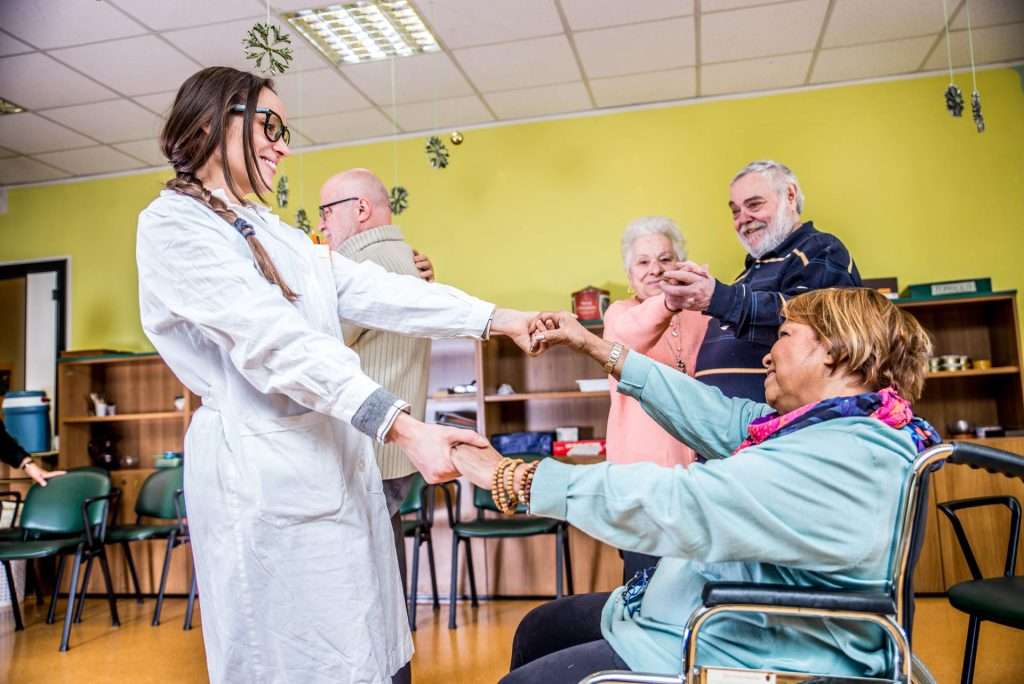
Promoting physical health is a vital aspect of geriatric care, as it directly impacts overall well-being, mobility, and the ability to maintain independence. For seniors, regular physical activity can help manage chronic conditions like arthritis, hypertension, or diabetes, while also improving cardiovascular health, muscle strength, and mental well-being. Caretakers play a key role in encouraging and guiding older adults toward suitable physical activities.
Three core types of exercises are recommended for seniors: aerobic, muscle-strengthening, and balance-focused activities. Aerobic exercises, such as walking or swimming, enhance stamina and cardiovascular health. Muscle-strengthening exercises, like light weightlifting or resistance band training, support bone density and functional strength. Balance activities, such as tai chi or simple standing exercises, reduce the risk of falls—a leading cause of injury among older adults.
Tailoring these activities to individual needs is essential. Factors like chronic conditions, mobility levels, and personal preferences must be considered to ensure safety and effectiveness. For instance, those with limited mobility can benefit from seated exercises, while seniors with visual impairments may require additional support during balance activities. By creating a personalized and consistent exercise routine, caregivers can significantly contribute to the physical vitality and independence of older adults.
Related: Controlling Diabetes: Effective Management Strategies
Enhancing Emotional Well-Being
Supporting the emotional well-being of older adults is an essential aspect of geriatric care. Emotional health contributes significantly to overall quality of life, helping seniors cope with challenges like loneliness, loss, or declining health while fostering a sense of purpose and resilience. Caregivers play a pivotal role in nurturing this important facet of senior health.
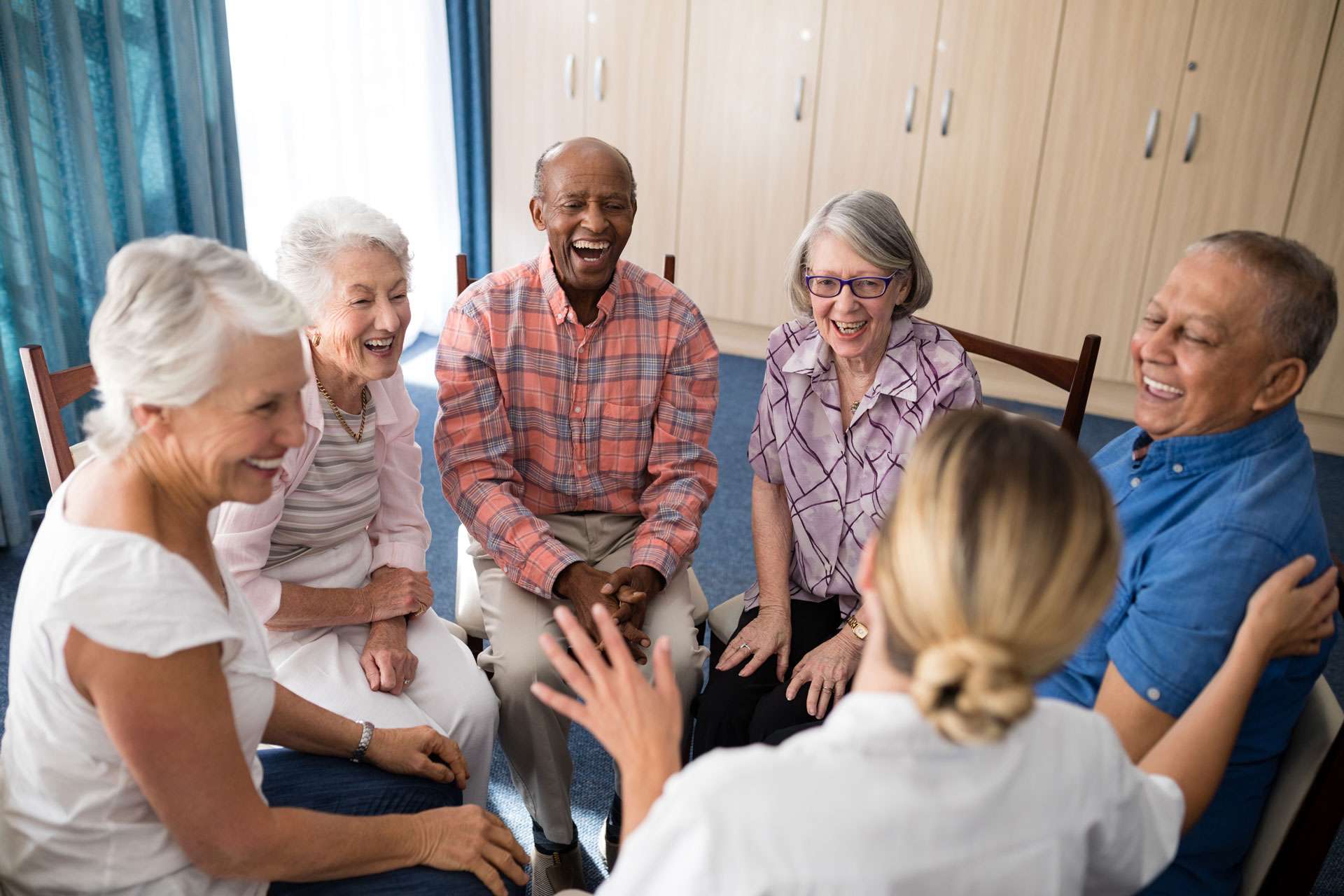
Social engagement is one of the most effective ways to enhance emotional well-being. Encouraging seniors to connect with family, friends, or community groups can combat isolation and boost morale. Activities like group hobbies or participating in local events help create meaningful interactions. Volunteering is another valuable avenue, providing seniors with a sense of purpose and an opportunity to contribute to their community. Whether it’s mentoring younger generations or assisting local charities, these experiences can greatly elevate mental health.
Pet care has also proven to be therapeutic for older adults. Caring for a pet offers emotional support, reduces stress, and encourages physical activity. For those unable to own a pet, animal therapy programs can provide similar benefits.
Caregivers are integral in facilitating these connections and activities, tailoring them to meet individual needs and preferences. By prioritizing emotional health, caregivers empower seniors to lead fulfilling, connected, and resilient lives.
Related: Exploring Family Planning: Deciding What’s Right for You
Ensuring Safety at Home and Beyond
Creating a safe environment is critical in geriatric care to reduce risks and provide peace of mind for both seniors and their caregivers. Older adults face unique safety challenges such as falls, fires, and even abuse. Implementing preventive measures at home and in daily activities can enhance safety significantly. Below are key safety strategies:
- Fall Prevention
- Install grab bars in bathrooms near toilets and inside showers or tubs.
- Remove loose rugs and secure carpets to eliminate tripping hazards.
- Ensure all pathways, stairs, and entrances are well-lit and free from clutter.
- Encourage the use of non-slip shoes and assistive devices like canes or walkers.
- Fire Safety
- Equip the home with smoke detectors and test them regularly.
- Replace frayed electrical cords and never overload sockets.
- Keep heaters at least three feet away from flammable materials.
- Avoid wearing loose clothing while cooking to prevent catching fire.
- Protection Against Abuse
- Secure windows and doors at all times.
- Avoid sharing personal information with strangers or over unsolicited calls.
- Encourage seniors not to make hasty decisions on financial offers without consulting trusted family members.
Proactively addressing safety concerns ensures not only physical protection but also emotional security for older adults, allowing them to live confidently and comfortably in their surroundings.
Related: Integrating Preventative Care into Your Daily Routine
Supporting Cognitive Health
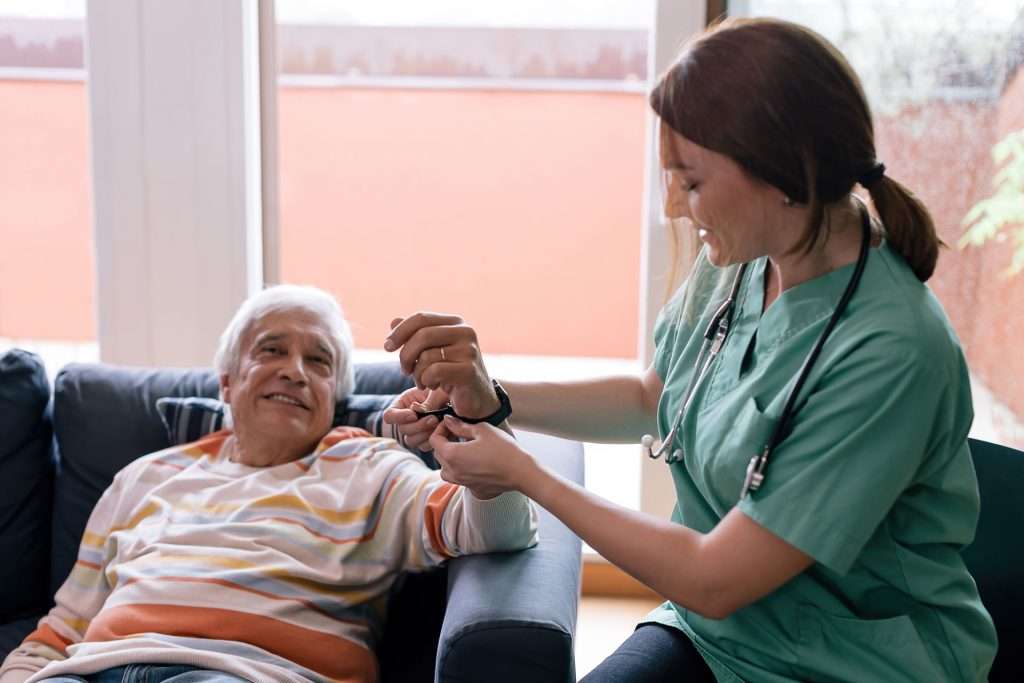
Cognitive health is essential for seniors to maintain independence and a high quality of life. Caregivers play a critical role in supporting this facet of well-being through proactive strategies that address both mental and physical aspects of brain health. Below are some evidence-based approaches to enhance cognitive function in older adults:
- Engage in Mental Exercises
- Encourage puzzles, crosswords, or memory games to stimulate the brain.
- Support learning new skills, such as knitting, cooking, or using new technology, which helps build neural connections.
- Promote creative activities like art, photography, or writing to enhance memory and cognitive resilience.
- Maintain Social Connections
- Facilitate regular interaction with family, friends, and community groups to combat isolation.
- Suggest group activities like book clubs or exercise classes to combine socialization with other health benefits.
- Explore volunteer opportunities, which provide both social interaction and a sense of purpose.
- Promote a Healthy Lifestyle
- Ensure a diet rich in brain-healthy foods like leafy greens, fatty fish, and berries.
- Encourage regular physical activity, such as walking or yoga, to improve both brain and body health.
- Stress the importance of quality sleep, as it is vital for memory and cognitive clarity.
By integrating these strategies into daily routines, caregivers can significantly contribute to preserving and enhancing cognitive function, ensuring a fulfilling life for seniors.
Encouraging Independence
Maintaining a sense of independence is crucial for older adults, as it supports their self-esteem, emotional well-being, and overall quality of life. For seniors, independence fosters a sense of purpose and control, even as they face physical or cognitive challenges. Caregivers play a pivotal role in encouraging autonomy while providing the necessary support.
One effective way to promote independence is by involving seniors in decision-making processes. Whether it’s choosing daily meals, selecting activities, or creating care plans, giving them a voice ensures they maintain a sense of control over their lives. Similarly, allowing them to perform tasks they are capable of—such as light household chores or self-care routines—reinforces their abilities and limits feelings of dependency.
Caregivers should also focus on creating an environment that enables independence. Adapting the home with tools like grab bars, accessible storage, or non-slip mats can make everyday activities safer and more manageable. Physical and mental exercise routines tailored to their abilities can further empower seniors to remain active and engaged.
By balancing support with opportunities for autonomy, caregivers can help seniors maintain independence, thereby enhancing their overall happiness and dignity. This collaborative approach ensures that support is empowering rather than inhibiting, allowing older adults to thrive.
Effective Communication with Seniors
Effective communication is foundational to fostering trust and understanding when caring for seniors. Clear and thoughtful interactions not only enhance the quality of care but also ensure that older adults feel valued and understood. Seniors often face challenges such as hearing loss, slower information processing, or visual impairments, which can impact communication. A compassionate approach is crucial.
Caregivers should adopt strategies like speaking slowly, using simple language, and maintaining eye contact to promote understanding. Being patient and giving seniors the time to process information fosters a comfortable dialogue. Non-verbal cues, such as a warm smile or gentle tone, can reinforce verbal communication. Additionally, addressing seniors directly and at eye level ensures attention and helps in overcoming potential hearing and visual challenges. Providing written notes or visual aids can also support comprehension.
Caregivers play a pivotal role in bridging communication gaps. By focusing on active listening and showing empathy, they can create a supportive environment where seniors feel heard and respected.
For more tailored care solutions and guidance, visit Erica Gutierrez, NP, and Juan Gutierrez, NP, at Desert Springs Medical Center P.C., located in Las Cruces, New Mexico. Their expertise ensures compassionate and effective strategies for senior care that prioritize understanding and dignity.