

Respiratory conditions like asthma and COPD can significantly affect daily life, making even the simplest tasks feel challenging. However, with the right approach, managing these conditions can lead to improved comfort, greater independence, and enhanced well-being.
From medical treatments to practical lifestyle adjustments, understanding the tools and strategies available is key to achieving better control and breathing easier every day. This guide explores actionable solutions to help those living with asthma or COPD lead healthier, more fulfilling lives.
Understanding the Basics of Asthma and COPD
Asthma and COPD are two distinct yet often confused respiratory conditions that impact breathing and overall lung function. Asthma is a chronic inflammatory disorder of the airways, often triggered by allergens, physical activity, or environmental factors. Symptoms, which include wheezing, shortness of breath, and coughing, are typically reversible with treatment and may even occur intermittently, leaving long symptom-free periods.
COPD, or Chronic Obstructive Pulmonary Disease, is an umbrella term for progressive lung diseases such as emphysema and chronic bronchitis. Unlike asthma, COPD symptoms—shortness of breath, persistent coughing, and mucus production—are usually constant and worsen over time, even with treatment. Smoking is the leading cause of COPD, whereas asthma has stronger links to genetic and environmental factors.
While both conditions involve airway inflammation, the underlying mechanisms differ. Asthma primarily involves reversible airway constriction and hyperresponsiveness, whereas COPD leads to irreversible damage to lung tissues and airways.
Understanding these differences is crucial for effective management. Tailored treatments such as bronchodilators, inhaled corticosteroids, and avoiding known triggers can improve quality of life. By identifying the condition early and adopting the right management plan, individuals can better control symptoms and prevent complications, ensuring easier breathing every day.
Related: Preparing for a Sports Physical: What Athletes Should Know
Medical Treatment Options for Symptom Relief
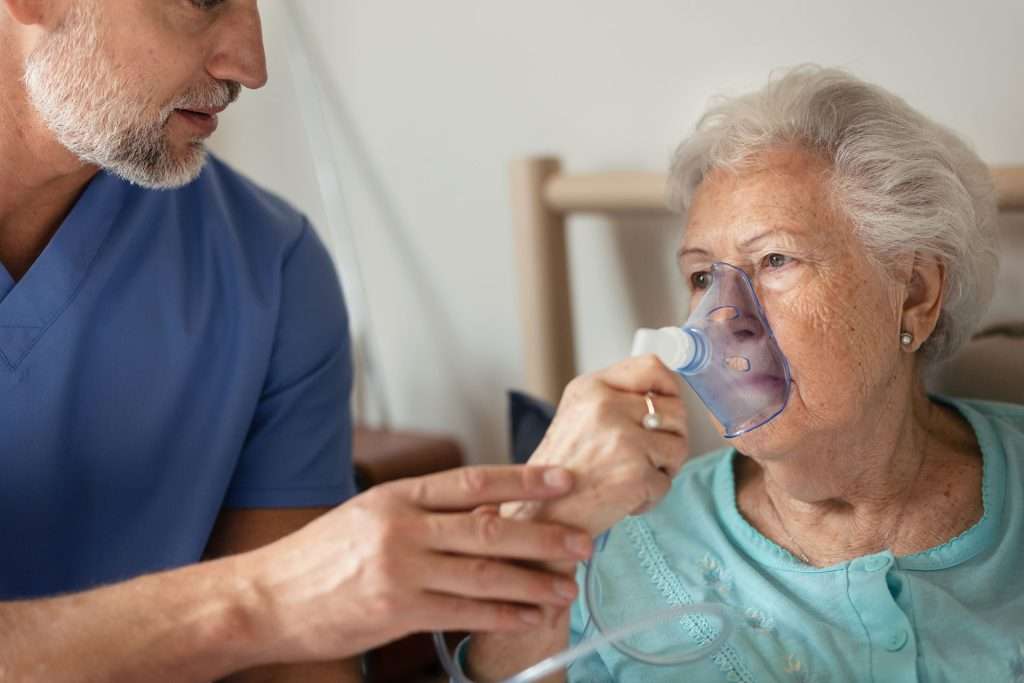
Effective management of asthma and COPD often relies on a combination of medications to control symptoms and improve breathing. Below are key treatment options, categorized by purpose and functionality:
- Short-term Relief (Rescue Medications):
- Short-acting beta-agonists (SABAs): Quickly open airways for immediate relief during flare-ups. Examples include albuterol (ProAir HFA, Ventolin HFA) and levalbuterol (Xopenex HFA).
- Anticholinergics: Help reduce mucus and relax airway muscles, such as ipratropium (Atrovent).
- Long-term Control Medications:
- Corticosteroids: Reduce airway inflammation when used daily. Examples are budesonide (Pulmicort) and fluticasone (Flovent).
- Long-acting beta-agonists (LABAs): Relax airway muscles for extended periods. Often combined with corticosteroids, such as in Symbicort (budesonide/formoterol) or Advair (fluticasone/salmeterol).
- Anticholinergics: Long-acting options like tiotropium (Spiriva) help with persistent symptoms.
- Combination Therapies:
- Combine LABAs and corticosteroids for more effective control, e.g., Breo Ellipta or Dulera.
- Nebulizers and Soft Mist Inhalers: Administer medication in fine droplets for those needing an alternative to inhalers.
Timely use of medications, tailored to individual needs, can significantly enhance quality of life and prevent complications, enabling easier breathing and better symptom control.
Related: Women’s Health: Focusing on Wellness at Every Life Stage
The Role of Pulmonary Rehabilitation
Pulmonary rehabilitation is a comprehensive program designed to improve the quality of life for individuals with chronic respiratory conditions such as asthma and COPD. This medically supervised approach combines exercise training, breathing techniques, and education to address the physical, mental, and emotional challenges associated with these conditions. Its primary goal is to enhance lung function, reduce symptom severity, and increase overall fitness.
A core component of pulmonary rehabilitation is personalized exercise training, which includes aerobic activities like walking or cycling and strength-building exercises tailored to the individual’s capabilities. These activities aim to improve endurance and reduce symptoms such as shortness of breath. Breathing techniques, such as diaphragmatic or pursed-lip breathing, help patients gain better control over their breathing patterns, especially during physical exertion.
The program also places a strong emphasis on education, providing patients with a deeper understanding of their condition and teaching self-management strategies. Topics may include proper use of inhalers, recognizing triggers, and making lifestyle adjustments, such as quitting smoking or improving nutrition. Psychological support is often integrated to address anxiety or depression that can accompany chronic lung diseases.
Research has shown that pulmonary rehabilitation can significantly enhance daily functioning and reduce hospitalizations, empowering patients to manage their conditions confidently and live healthier, more active lives.
Related: Geriatric Care Tips: Promoting Health and Longevity
Creating an Asthma or COPD Action Plan
An action plan is an essential tool for managing asthma or COPD, as it guides individuals on responding to symptoms, reducing flare-ups, and knowing when to seek help. These personalized plans are developed with healthcare providers and help improve symptom control and quality of life. Here’s how to create one:
- Collaborate with Your Healthcare Provider
Work with your doctor or nurse to outline a plan tailored to your condition. They will help identify triggers, medications, and necessary steps for symptom management. - Understand Your Baseline
Determine what your “normal” feels like when symptoms are under control. This will serve as your Green Zone in the plan, where daily treatment like long-term medications is continued. - Develop Action Steps for Symptom Changes
Define two key zones for worsening symptoms:- Yellow Zone: For mild to moderate changes like increased coughing or fatigue. Include steps such as adjusting medication or using quick-relief inhalers.
- Red Zone: For severe symptoms like extreme shortness of breath, defining the need for emergency measures like contacting a doctor or calling 911.
- Include Emergency Contacts
List critical phone numbers, including your healthcare provider, local hospital, and emergency contacts. - Review and Update Regularly
Revisit your action plan periodically or after symptom changes to ensure it reflects your current health and treatment approach.
With a well-crafted plan, you can confidently manage challenges and avoid complications.
Related: Understanding Minor Procedures: From Biopsies to Cyst Removal
Understanding and Avoiding Common Triggers
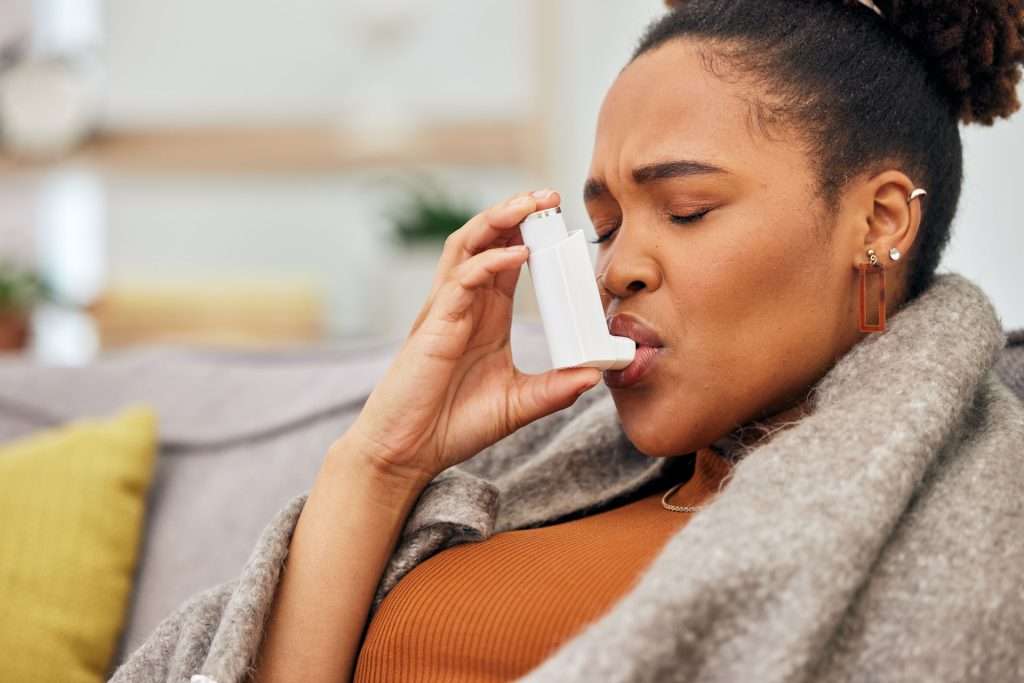
Identifying and avoiding triggers is a key step in managing asthma and COPD effectively. Triggers can worsen symptoms, lead to flare-ups, and hinder daily life. Here are common triggers and practical ways to avoid them:
- Cigarette Smoke
Tobacco smoke is a major irritant. If you smoke, quitting is essential. Avoid secondhand smoke by creating smoke-free zones at home and work. - Air Pollution and Strong Odors
Fumes from cars, industrial emissions, and strong smells from cleaning products or perfumes can irritate your airways. Check air quality indexes before heading outdoors and opt for fragrance-free household products. - Temperature Extremes and Weather Changes
Extreme cold, heat, or humidity may aggravate symptoms. Limit time outdoors during harsh weather. Layer clothing in cold climates and stay cool indoors during summer. - Allergens
Common allergens include pollen, dust mites, and pet dander. Use hypoallergenic bedding, keep pets out of bedrooms, vacuum often, and monitor pollen levels when planning outdoor activities. - Respiratory Infections
Colds, flu, and other infections can trigger severe episodes. Practice good hygiene, stay vaccinated, and avoid close contact with sick individuals.
By proactively addressing these triggers, you can significantly reduce symptom flare-ups and maintain better control over your condition, paving the way for easier breathing and healthier living.
When to Seek Professional Help
Understanding when to seek medical help for asthma or COPD symptoms can prevent serious complications and improve overall health. Here are key signs and situations where immediate professional care is essential:
- Worsening Shortness of Breath
If breathing becomes extremely difficult, even at rest, it may signal a severe exacerbation that requires urgent attention. - Frequent or Persistent Coughing
A cough that intensifies, lasts longer than usual, or produces discolored phlegm might indicate an infection or worsened condition. - Chest Pain or Tightness
Experiencing discomfort, tightness, or pain in the chest can suggest significant airway inflammation or another underlying issue. - Blue-Tinted Lips or Fingertips
A bluish tint is a sign of reduced oxygen levels and should prompt immediate medical intervention. - Non-Responsive to Medication
If quick-relief inhalers or prescribed treatments fail to control your symptoms, consult a healthcare provider without delay. - Severe Fatigue or Difficulty Performing Daily Activities
If daily tasks become challenging due to shortness of breath or fatigue, professional evaluation is vital.
At Desert Springs Medical Center P.C. in Las Cruces, New Mexico, Erica Gutierrez, NP, and Juan Gutierrez, NP, specialize in providing expert care for asthma and COPD. Contact them today for personalized management plans and compassionate support. Ensuring timely medical care can make a significant difference in maintaining your quality of life.