

Managing high blood pressure is crucial for adults aiming to maintain long-term health and reduce the risk of serious complications. As one of the most common chronic conditions affecting millions globally, high blood pressure—or hypertension—can silently lead to heart disease, stroke, kidney problems, and more if left unaddressed. Fortunately, with effective chronic disease management strategies, adults can take proactive steps to control their blood pressure and improve their overall well-being.
This blog explores how chronic disease management approaches can help adults address high blood pressure in a sustainable and practical way. Whether you’re newly diagnosed or seeking better control, understanding these strategies can empower you to make informed decisions about your health and stay on track for a healthier future.
Understanding the Link Between Chronic Disease and High Blood Pressure
High blood pressure is more than just a standalone condition—it is often intertwined with other chronic diseases such as diabetes, kidney disease, and cardiovascular disorders. When these conditions coexist, they can create a feedback loop that exacerbates each other, making comprehensive chronic disease management essential.
Chronic diseases tend to influence blood pressure through mechanisms like increased inflammation, hormonal imbalance, or impaired organ function. For instance, diabetes can damage blood vessels, increasing resistance to blood flow, which raises blood pressure. Similarly, kidney dysfunction reduces the body’s ability to regulate fluid balance, leading to hypertension.
Understanding this interconnectedness allows adults to approach high blood pressure with a holistic perspective. Rather than treating it in isolation, it becomes crucial to address all contributing chronic conditions simultaneously. This might involve coordinating care between multiple healthcare providers, staying informed about personal risk factors, and being diligent about lifestyle habits.
By recognizing high blood pressure as part of a broader chronic health picture, adults can take more effective actions to manage their health long-term. Consistent follow-ups, regular screenings, and an integrated care plan form the foundation of successful chronic disease management in the fight against hypertension.
Related: What Chronic Disease Management Means in Modern Healthcare
The Role of Diet in Managing High Blood Pressure
Diet plays a foundational role in managing high blood pressure. For adults, adopting dietary patterns that support heart health is a practical and effective strategy to keep blood pressure within a healthy range. The most recommended dietary approach is the DASH (Dietary Approaches to Stop Hypertension) diet, which emphasizes fruits, vegetables, lean proteins, and whole grains while limiting sodium and saturated fats.
High sodium intake is a major contributor to elevated blood pressure. Processed foods, restaurant meals, and convenience snacks are often loaded with hidden salt. Adults aiming to manage high blood pressure should aim for a daily sodium intake of less than 1,500 mg, especially if they already have elevated levels or other chronic conditions.
Potassium-rich foods like bananas, spinach, and sweet potatoes help counteract the effects of sodium and support vascular health. Similarly, magnesium and calcium from sources like leafy greens and low-fat dairy contribute to optimal blood pressure control.
It’s not just about what to avoid but also about what to include. Increasing fiber, reducing alcohol consumption, and staying hydrated all support better blood pressure outcomes. With commitment and consistency, dietary changes can become one of the most powerful tools in chronic disease management.
Related: Benefits of Incorporating Physical Activity into Preventative Care
Physical Activity as a Tool for Blood Pressure Control
Regular physical activity is one of the most effective non-medication strategies for lowering and maintaining healthy blood pressure levels. For adults managing chronic conditions, integrating exercise into daily routines can yield both immediate and long-term benefits.
When you engage in physical activity, your heart becomes stronger, allowing it to pump blood with less effort. This reduces the force on your arteries and lowers your blood pressure. Aerobic exercises—such as walking, swimming, cycling, or jogging—are particularly beneficial for cardiovascular health. Engaging in at least 150 minutes of moderate-intensity aerobic exercise per week is a widely recommended guideline for adults.
Physical activity also supports weight loss or maintenance, which is critical for individuals with high blood pressure. Even a small reduction in body weight can result in a measurable decrease in blood pressure. Moreover, exercise helps improve insulin sensitivity, lower stress, and enhance overall mood—all of which contribute to better chronic disease control.
While starting an exercise program can be challenging, it’s important to begin at a manageable pace and gradually increase intensity. Adults with existing chronic conditions should consult healthcare providers before making significant changes to their fitness regimen to ensure safety and effectiveness.
Related: Family Planning Strategies for a Healthy Future
Importance of Medication Adherence in Chronic Disease Management
For many adults, managing high blood pressure requires the consistent use of prescribed medications. Despite this, medication non-adherence is a common problem that can undermine the effectiveness of any chronic disease management plan.
Blood pressure medications work by targeting different mechanisms—some help relax blood vessels, others reduce heart rate or eliminate excess sodium and water from the body. When taken as prescribed, these medications can effectively keep blood pressure in check and reduce the risk of complications like heart attack, stroke, or kidney failure.
However, missing doses or stopping medication without a doctor’s advice can cause blood pressure to rebound, sometimes to dangerous levels. Common reasons for non-adherence include forgetfulness, side effects, lack of understanding about the medication, or financial barriers.
To improve adherence, adults should prioritize clear communication with their healthcare providers. Discussing side effects, exploring lower-cost alternatives, or using tools like pill organizers and medication reminders can make a significant difference.
Managing high blood pressure isn’t just about starting medication—it’s about sticking with the treatment plan and understanding its role in the broader context of chronic disease management.
Related: Immunization FAQs for Children, Teens, and Adults
Monitoring Blood Pressure at Home
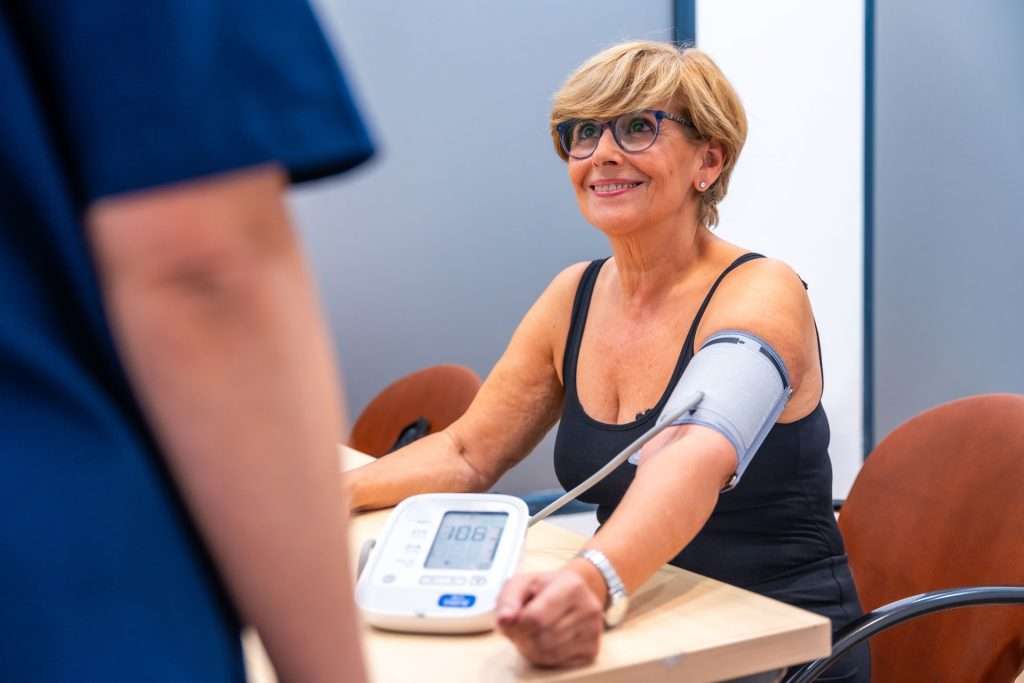
Home monitoring is a critical part of managing high blood pressure, particularly for adults navigating chronic disease. It provides real-time feedback and helps track how lifestyle changes and medications are affecting your condition over time.
Benefits of home monitoring include:
- Early detection of changes that may require medical attention
- Better engagement and awareness of your blood pressure patterns
- Reduced “white coat effect” where blood pressure rises in clinical settings
- Improved communication with healthcare providers by sharing accurate data
- Empowerment through active participation in health management
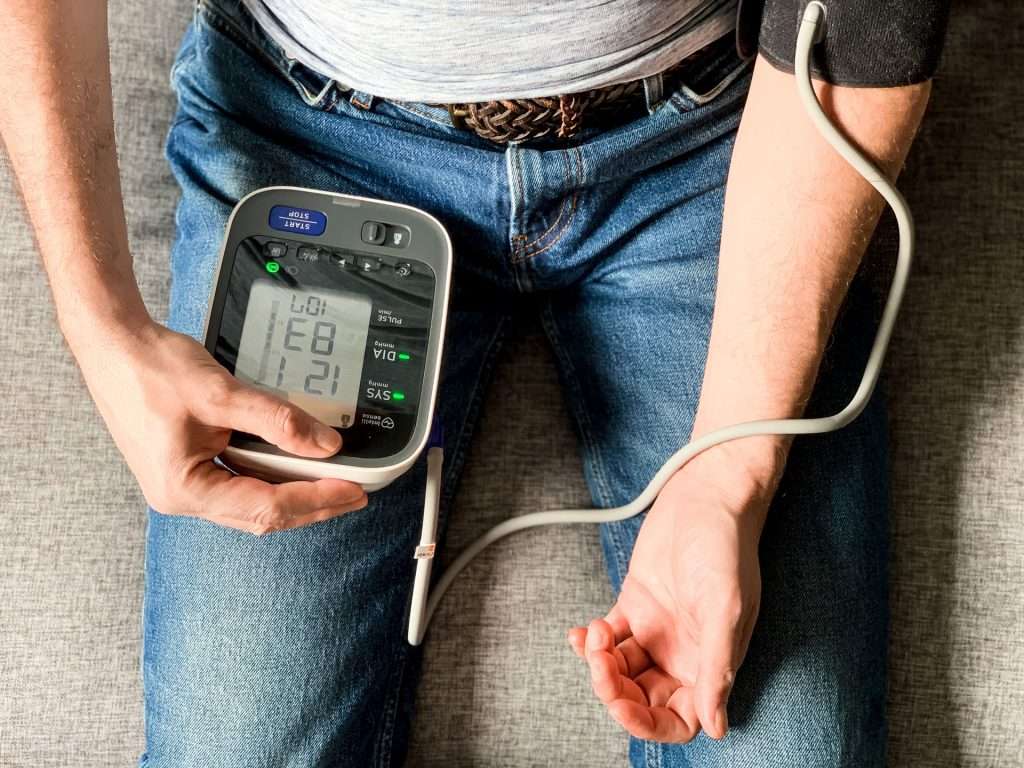
When monitoring at home, it’s important to use a validated, upper-arm cuff monitor and follow consistent procedures—sitting quietly for a few minutes beforehand, measuring at the same time daily, and recording readings accurately. Adults should aim to take readings in the morning and evening for best insights.
Regular tracking allows adults and their care teams to fine-tune treatment plans and recognize problems before they escalate. Home monitoring is a powerful ally in the ongoing management of high blood pressure and chronic conditions.
Stress Management Techniques for Adults
Stress can significantly impact blood pressure and overall health, especially for adults managing chronic conditions. While short-term stress raises blood pressure temporarily, chronic stress can lead to long-term hypertension and increase the risk of other health problems.
Effective stress management techniques include:
- Deep breathing exercises to calm the nervous system
- Progressive muscle relaxation to reduce physical tension
- Mindfulness meditation for mental clarity and emotional control
- Physical activity like yoga, walking, or tai chi to reduce stress hormones
- Creative outlets such as journaling, art, or music to foster emotional balance
- Adequate sleep to restore and regulate the body’s stress response
Incorporating these techniques into daily life helps lower blood pressure and enhances emotional resilience. Even small actions—like taking a few minutes to breathe deeply during a hectic day—can make a meaningful difference over time. When practiced consistently, stress management becomes a core component of effective chronic disease control for adults.
If you’re ready to take control of your high blood pressure and improve your long-term health, the team at Desert Springs Medical Center P.C. is here to support you. Located in Las Cruces, New Mexico, our dedicated providers, Erica Gutierrez, NP and Juan Gutierrez, NP, specialize in chronic disease management and personalized care for adults. Whether you’re newly diagnosed or looking to enhance your current treatment plan, we offer the guidance and tools you need for real, lasting results.
Contact Desert Springs Medical Center P.C. today to schedule your appointment and begin your journey toward better health.