
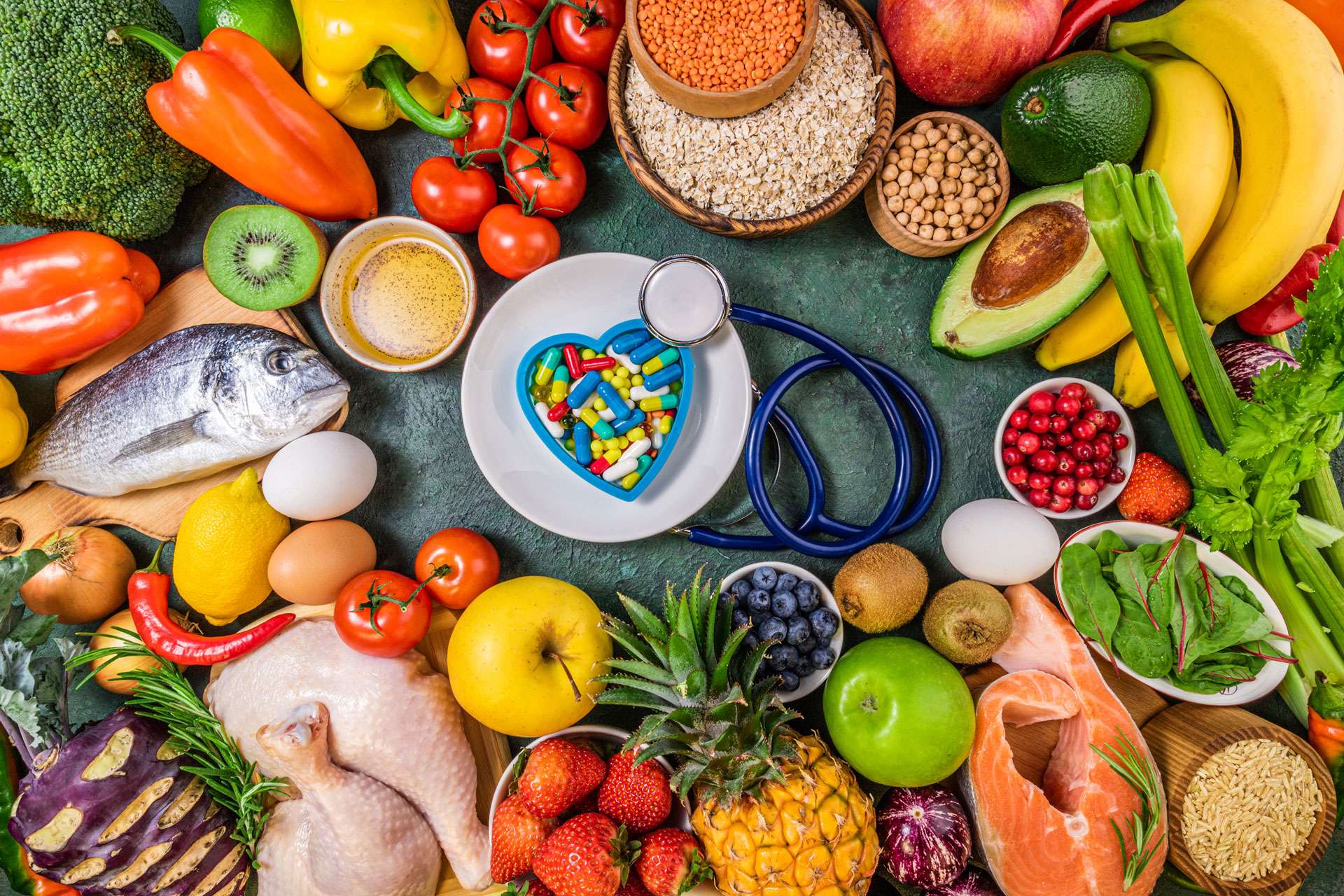
When it comes to protecting and strengthening your heart, what you put on your plate plays a major role. The link between what we eat and how our heart functions is well-established, but understanding how to eat right can often be confusing. That’s where nutrition guidance becomes essential.
Whether you’re looking to lower your blood pressure, reduce cholesterol, or simply prevent cardiovascular issues down the line, making informed dietary decisions can help. With the right guidance, people can transform daily eating habits into a powerful tool for long-term heart health. From choosing heart-smart fats to reducing hidden sugars, nutrition guidance provides a roadmap to protect your most vital organ—your heart.
This blog breaks down how nutrition guidance connects to heart health in a meaningful, practical way. Whether you’re starting from scratch or refining your current routine, these insights will empower you to make better choices for a healthier, stronger heart.
Why Nutrition Guidance Matters for Heart Disease Prevention
Heart disease remains one of the leading causes of death globally, but much of it is preventable through lifestyle changes—especially diet. That’s why nutrition guidance plays a crucial role in disease prevention. It provides individuals with tailored advice to improve their eating habits and reduce risk factors like high blood pressure, cholesterol, and excess body weight.
Nutrition guidance offers more than just a list of foods to eat or avoid. It helps people understand the why behind certain choices, allowing for sustainable changes rather than temporary fixes. For example, someone might not realize that frequent consumption of processed foods, even in small quantities, can gradually increase inflammation and arterial plaque buildup. A well-informed nutrition plan will not only highlight these dangers but also offer practical, healthy alternatives.
Moreover, nutrition guidance often adapts to the individual’s specific health profile. This personalization is key. A person with pre-diabetes might need to prioritize complex carbohydrates and fiber, while someone dealing with hypertension may benefit from potassium-rich foods and reduced sodium intake.
Incorporating expert guidance ensures people make informed decisions based on current medical understanding rather than trends or misinformation. Ultimately, consistent and informed nutrition habits can significantly reduce the likelihood of heart attacks, strokes, and other cardiovascular events. Understanding what to eat—and why—transforms meals into an active part of disease prevention, not just a daily routine.
Related: Addressing High Blood Pressure Through Chronic Disease Management
Key Dietary Components That Support Heart Health
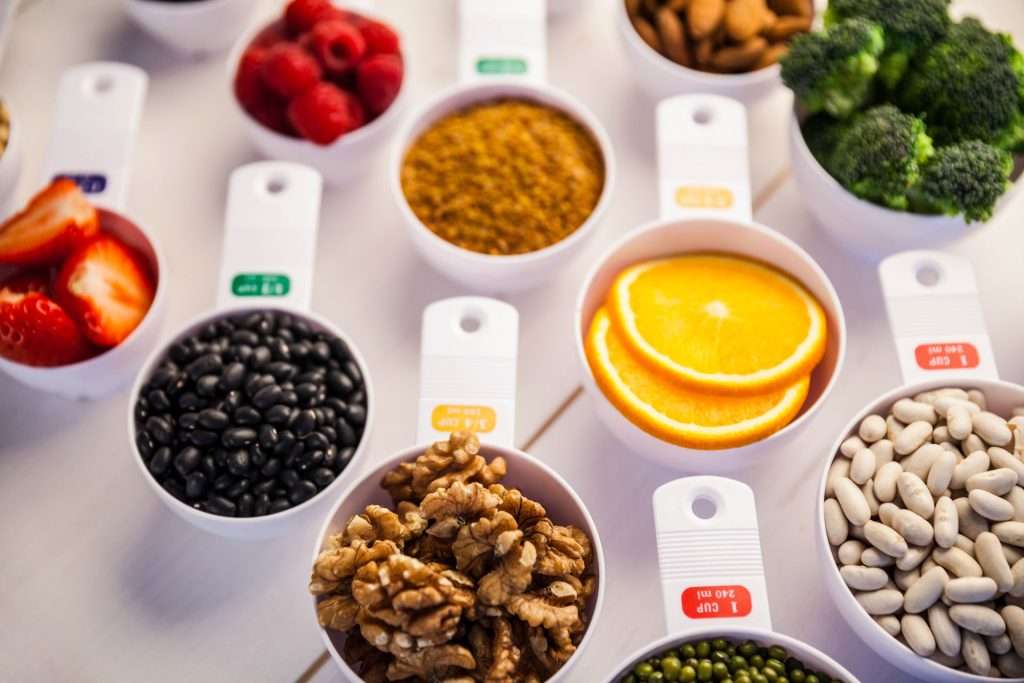
Certain nutrients and food groups have been shown to directly support cardiovascular health when incorporated regularly and in the right balance. With the help of nutrition guidance, individuals can learn how to prioritize these components for long-term heart benefits.
Fiber is one of the most impactful nutrients for heart health. Found in whole grains, legumes, fruits, and vegetables, fiber helps reduce LDL (bad) cholesterol levels and promotes stable blood sugar. It also contributes to satiety, which supports healthy weight management—a crucial factor for heart disease prevention.
Omega-3 fatty acids are another essential component. Commonly found in fatty fish like salmon and sardines, as well as flaxseeds and walnuts, omega-3s help reduce inflammation and improve arterial function. Their anti-inflammatory properties make them valuable for lowering the risk of arrhythmias and plaque formation.
Antioxidants, particularly those found in colorful produce like berries, spinach, and sweet potatoes, help protect the cardiovascular system from oxidative stress. This protection is important for keeping blood vessels flexible and preventing long-term damage that can lead to heart disease.
Potassium and magnesium, found in foods like bananas, avocados, and leafy greens, help regulate blood pressure. A balanced intake of these minerals, combined with reduced sodium consumption, can significantly improve heart health outcomes.
By understanding and integrating these key dietary elements into daily meals, individuals can actively support their cardiovascular system through every bite, guided by practical and personalized nutrition strategies.
Related: What Chronic Disease Management Means in Modern Healthcare
The Role of Healthy Fats in Cardiovascular Wellness
For decades, fat was often labeled the enemy of heart health. However, modern nutrition guidance has reshaped that narrative, distinguishing between harmful fats and those that are essential for a healthy heart. Understanding the role of healthy fats—and how to incorporate them wisely—can dramatically influence cardiovascular wellness.
Healthy fats, particularly unsaturated fats, play a protective role in heart health. Monounsaturated fats, found in olive oil, avocados, and certain nuts, help reduce bad cholesterol levels while maintaining or even increasing HDL (good) cholesterol. Polyunsaturated fats, especially omega-3 fatty acids, go a step further by reducing inflammation, supporting blood vessel elasticity, and preventing irregular heartbeats.
On the other hand, saturated and trans fats—commonly found in processed snacks, baked goods, and fried foods—contribute to arterial plaque buildup and elevate the risk of heart disease. One of the key lessons of modern nutrition guidance is learning to replace these harmful fats with healthier options rather than cutting out fat altogether.
For example, instead of using butter for cooking, switching to olive or avocado oil offers a healthier fat profile. Including a small handful of almonds or walnuts as a snack instead of chips can also make a difference. These small changes, when applied consistently, add up over time.
Ultimately, healthy fats are not only safe for the heart—they’re necessary. The right balance, supported by thoughtful nutrition guidance, helps promote a strong cardiovascular system and reduces the risk of long-term complications.
Related: Benefits of Incorporating Physical Activity into Preventative Care
Reading Nutrition Labels: A Skill for Better Heart Health
In today’s fast-paced world, processed and packaged foods are part of everyday life. But understanding how to make informed choices begins with one simple but powerful tool: the nutrition label. With proper nutrition guidance, reading and interpreting these labels becomes an essential skill in maintaining heart health.
Nutrition labels offer more than just calorie counts—they reveal the quality of what you’re putting into your body. For heart health, paying attention to the levels of saturated fat, trans fat, sodium, and added sugars is critical. Even foods marketed as “healthy” can hide high levels of these harmful components.
A key number to look out for is the serving size. Many people overlook that a small package may contain two or more servings, doubling or tripling the intake of fats and sodium without realizing it. Another tip is to look at the Daily Value percentages. A food high in fiber and low in saturated fat (under 5% Daily Value) is generally better for your heart.
Nutrition guidance helps individuals learn to prioritize beneficial ingredients—like fiber, potassium, and whole grains—while identifying red flags such as hydrogenated oils or high-fructose corn syrup. It also encourages comparing similar products side by side to choose the heart-smart option.
Developing the habit of reading nutrition labels can drastically improve dietary choices. With this awareness, individuals are less likely to fall for misleading marketing and more likely to build meals that support long-term cardiovascular health.
Related: Family Planning Strategies for a Healthy Future
Meal Planning Tips for a Heart-Healthy Lifestyle
Meal planning is one of the most effective ways to ensure consistent, heart-conscious eating. With thoughtful preparation and nutrition guidance, individuals can make daily food choices that support cardiovascular health, reduce stress around mealtime, and avoid impulsive, less healthy options.
By planning meals in advance, you can prioritize nutrient-rich ingredients, reduce reliance on processed foods, and ensure balanced portions of key heart-supporting elements like fiber, healthy fats, and lean proteins. Meal planning also helps control sodium and added sugar intake, both of which can sneak into the diet through sauces, dressings, and convenience meals.
Here are some heart-smart meal planning tips:
- Batch cooks whole grains like quinoa, brown rice, or barley to use throughout the week in different meals.
- Plan for lean protein options such as grilled chicken, lentils, beans, or fish rich in omega-3s like salmon or mackerel.
- Pre-cut vegetables and fruits so they’re easy to grab for snacks or quick additions to meals.
- Make heart-healthy snacks available, such as raw nuts, hummus, and sliced veggies, to prevent unhealthy snacking.
- Use herbs and spices instead of salt to add flavor without increasing sodium.
- Create a weekly meal template, like “Meatless Mondays” or “Fish Fridays,” to simplify decision-making.
Nutrition guidance empowers individuals to build meals that are enjoyable, satisfying, and beneficial for the heart. Planning not only saves time but also brings greater intention and balance to every plate.
Common Misconceptions About “Heart-Healthy” Foods
With so many products labeled as “heart-healthy” or “low fat,” it’s easy to fall into the trap of believing all marketed foods are beneficial for cardiovascular health. However, nutrition guidance helps cut through the noise by debunking common myths and teaching people what truly supports heart wellness.
Marketing language can be misleading. Many foods that appear to be healthy are actually high in sugar, sodium, or unhealthy fats—ingredients that can contribute to heart problems when consumed regularly. Even foods labeled “natural” or “organic” aren’t automatically heart-smart.
Here are some common misconceptions to be aware of:
- “Low-fat” equals healthy: Often, low-fat products compensate with added sugar or sodium to enhance flavor, which can be harmful to heart health.
- Granola bars and protein snacks are always good options: Many are packed with added sugars and contain saturated fats from palm oil.
- Vegetable chips or baked snacks are better than regular chips: While they may seem lighter, they often contain just as much sodium and additives.
- Fruit juices are as healthy as whole fruits: Juices lack fiber and are often loaded with concentrated sugars that spike blood glucose.
- Whole wheat bread is always a safe choice: Some “whole wheat” labeled breads still contain refined flours and added sweeteners.
Nutrition guidance encourages a more critical look at food labels and marketing claims. By learning to identify misleading information, individuals can avoid false health promises and choose foods that genuinely support heart health.
If you’re ready to take control of your heart health with personalized nutrition guidance, Desert Springs Medical Center P.C. in Las Cruces, New Mexico is here to help. Providers Erica Gutierrez, NP and Juan Gutierrez, NP offer expert support to help you build sustainable, heart-healthy habits that fit your lifestyle.
Contact us today to schedule a consultation and start your journey toward better cardiovascular wellness.