
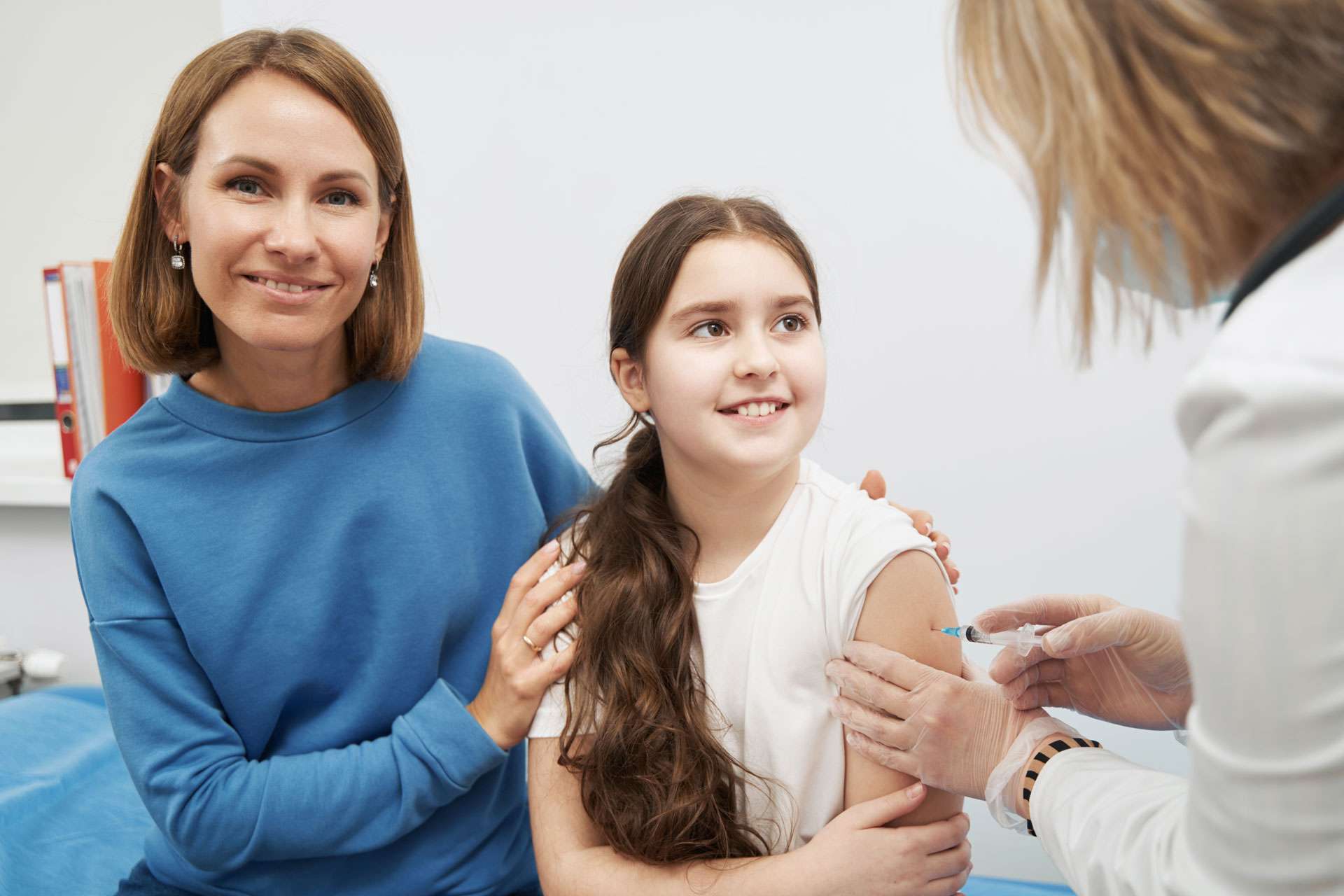
Vaccines play a crucial role in safeguarding the health of individuals and communities. From infancy to adulthood, immunizations protect against serious diseases, ensuring a healthier future for everyone. However, it’s natural for families to have questions about when vaccines are needed, how they work, and why they’re so important at every stage of life.
This guide is designed to address those questions, providing clear and reliable information to help you make informed decisions about your family’s health. Whether you’re planning a child’s vaccinations, catching up on boosters for teens, or managing adult immunization schedules, understanding the essentials can bring peace of mind and long-lasting protection.
1. What Are Vaccines and How Do They Work?
Vaccines are medical products that prepare your immune system to fight off specific infectious diseases. They contain weakened, inactivated, or parts of a virus or bacteria. When administered, they stimulate your body’s immune response to recognize and destroy harmful pathogens in the future, ensuring protection without causing the actual illness.
2. Why Are Vaccines Important at Different Life Stages?
Vaccines are crucial at every stage of life because our risk of certain diseases changes over time. Young children need protection against diseases like measles or polio, teens may require boosters for waning immunity, and adults benefit from vaccines like the flu shot or shingles vaccine. Immunization ensures lifelong health and well-being.
3. What Is the Recommended Vaccine Schedule for Children, Teens, and Adults?
The vaccine schedule outlines specific ages when vaccines are most effective. For children, immunizations protect against diseases early in life when they’re most vulnerable. Teens may need boosters like Tdap, and adults may require flu shots, pneumococcal, or shingles vaccines. Following this schedule ensures immunity is maintained throughout life.
4. Are Vaccines Safe?
Yes, vaccines are thoroughly tested for safety before approval and consistently monitored afterward. They go through multiple clinical trials and are evaluated by health authorities like the CDC and WHO. Adverse reactions are rare and usually mild. The benefits of vaccines far outweigh the risks, safeguarding individual and public health.
5. Do Vaccines Have Side Effects?
Most vaccines have mild side effects, such as soreness at the injection site, fever, or fatigue, which typically subside within a few days. Severe reactions are very rare. Healthcare professionals monitor patients closely after vaccinations to ensure safety and provide proper care if any unexpected symptoms occur.
6. What Happens If Someone Misses a Scheduled Vaccine?
If a vaccine is missed, it’s important to reschedule as soon as possible. Catch-up vaccination schedules are available and are tailored to provide protection without restarting a series. Your healthcare provider will guide you through completing the missed doses to ensure immunity against preventable diseases is established.
7. Can Vaccines Overwhelm the Immune System?
No, vaccines do not overwhelm the immune system. The human immune system is highly capable of handling multiple antigens at once. Studies show that even combination vaccines are safe and effective, with no adverse impact on immune function. Vaccines strengthen immunity rather than burden it.
8. Why Do Adults Need Vaccines Too?
Adults need vaccines to protect against illnesses like influenza, pneumonia, and shingles, which become more common with age. Additionally, immunity from childhood vaccines may diminish, requiring booster shots. Adults can also benefit from specific vaccines, like the Tdap, before having contact with newborns to prevent pertussis transmission.
9. What Are the Most Common Vaccine Myths and Misconceptions?
Common myths include beliefs that vaccines cause autism, they contain harmful chemicals, or they aren’t necessary if illnesses are rare. These claims have been thoroughly debunked by extensive research. Vaccines are safe, effective, and necessary even when diseases seem rare, as they help prevent outbreaks and protect communities.
10. How Are Vaccines Monitored After They Are Approved?
Vaccines undergo continuous monitoring through systems like the Vaccine Adverse Event Reporting System (VAERS) and other surveillance programs. Health authorities track and investigate any reported side effects, ensuring ongoing safety. This rigorous post-approval process guarantees that vaccines remain safe and effective for widespread use.
11. What If My Child Is Afraid of Needles?
If your child is afraid of needles, distraction techniques, such as toys or videos, can help. Explain the process calmly and reassure them of the benefits. Holding their hand, using numbing cream, or allowing them to bring a comfort item can also ease their fear and make the experience smoother.
12. Are There Vaccines for Travel Purposes?
Yes, vaccines for travel protect against region-specific diseases like yellow fever, typhoid, or hepatitis A. Before traveling, visit a healthcare provider or travel clinic for advice on necessary vaccines. These immunizations ensure safety when you and your family visit areas with different disease risks.
13. How Do Vaccines Protect Communities?
Vaccines protect communities through herd immunity. When a large percentage of people are immunized, the spread of disease is reduced, safeguarding those who can’t be vaccinated, like newborns or those with compromised immune systems. Herd immunity helps prevent outbreaks and preserves public health.
14. What Are Combination Vaccines, and Are They Safe?
Combination vaccines include protection against multiple diseases in one shot, like the MMR vaccine for measles, mumps, and rubella. They reduce the number of injections needed while maintaining safety and efficacy. Combination vaccines are extensively tested to ensure they don’t compromise a child’s immune system or overall health.
15. Can I Choose Which Vaccines My Family Receives?
While healthcare providers follow standardized recommendations, you can discuss your family’s unique needs to create a tailored vaccine plan. Factors like health conditions, travel plans, and allergies may influence these decisions. Healthcare professionals provide trustworthy recommendations to ensure optimal protection for you and your family.
16. What Role Do Schools and Employers Play in Immunization Requirements?
Schools often require children to be vaccinated against specific diseases to protect public health. Employers, particularly in healthcare, may mandate immunizations like the flu shot for workplace safety. These policies promote high vaccination rates, reducing the risk of disease outbreaks in community and work settings.
17. Where Can I Find Reliable Information on Vaccines?
Trustworthy sources include your healthcare provider, the Centers for Disease Control and Prevention (CDC), and the World Health Organization (WHO). These organizations provide accurate and up-to-date guidance on vaccines, helping you make informed decisions about your family’s health with confidence. Avoid relying on unverified internet sources.
Taking charge of your family’s health starts with staying informed about immunizations. Vaccines not only protect you and your loved ones but also contribute to the well-being of your community. If you have questions or need to update your immunization schedule, the trusted team at Desert Springs Medical Center P.C. in Las Cruces, New Mexico, is here to help. Erica Gutierrez, NP, and Juan Gutierrez, NP, are dedicated to providing compassionate and comprehensive care. Schedule your appointment today to ensure your family stays protected and healthy.