
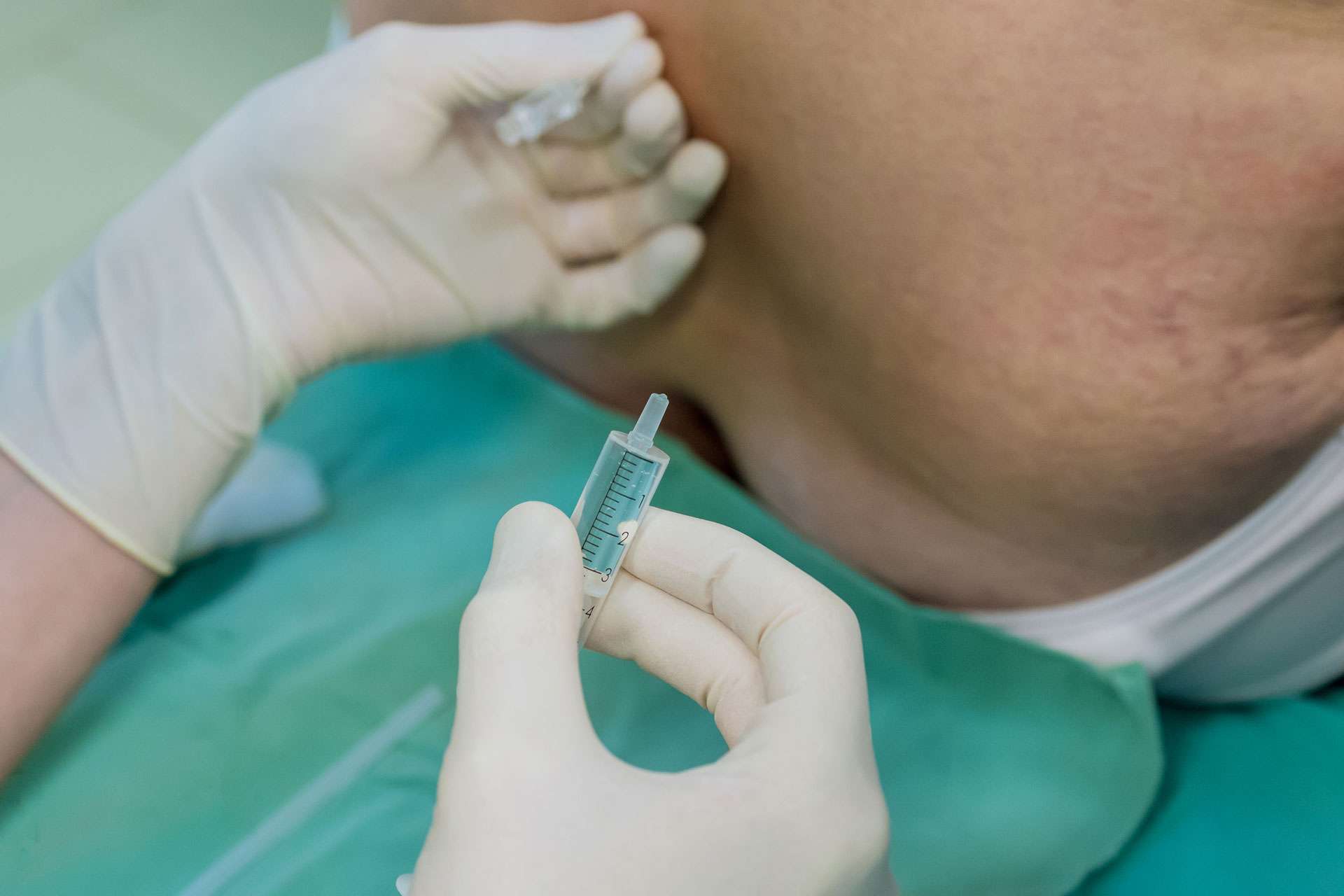
Medical advancements have made it easier than ever to address various health concerns through minimally invasive procedures. Among these, biopsies and cyst removal play a key role in diagnosing and treating a wide range of conditions.
While these procedures are often straightforward, understanding their purpose, process, and importance can help patients approach them with confidence and ease. By shedding light on what these interventions involve, we aim to demystify the experience and empower individuals to make informed decisions about their health.
What Are Biopsies and Why Are They Performed?
A biopsy is a medical procedure in which a small sample of tissue, cells, or fluid is removed from the body to be examined under a microscope. This diagnostic tool plays a vital role in identifying and understanding various health conditions. Healthcare providers may recommend a biopsy when imaging tests, such as CT scans or MRIs, reveal an abnormal area that requires further investigation. While it’s commonly associated with detecting cancer, biopsies are also used to diagnose infections, inflammatory conditions, and immune disorders.
Biopsies come in different forms depending on the location and type of tissue needed. For example, needle biopsies use a thin needle to extract samples, while surgical biopsies require an incision to remove larger tissue sections. Skin biopsies and bone marrow biopsies are also specific procedures tailored to their corresponding organs or tissues.
The primary purpose of a biopsy is to provide accurate insights into the nature of a condition. For instance, it can help determine whether a tumor is benign or malignant, assess disease severity, and inform treatment plans. This detailed analysis empowers healthcare providers to identify life-threatening illnesses like cancer early and develop effective strategies for patient care, making biopsies a pivotal step in medical diagnostics.
Related: Controlling Diabetes: Effective Management Strategies
Different Types of Biopsies and When They Are Used
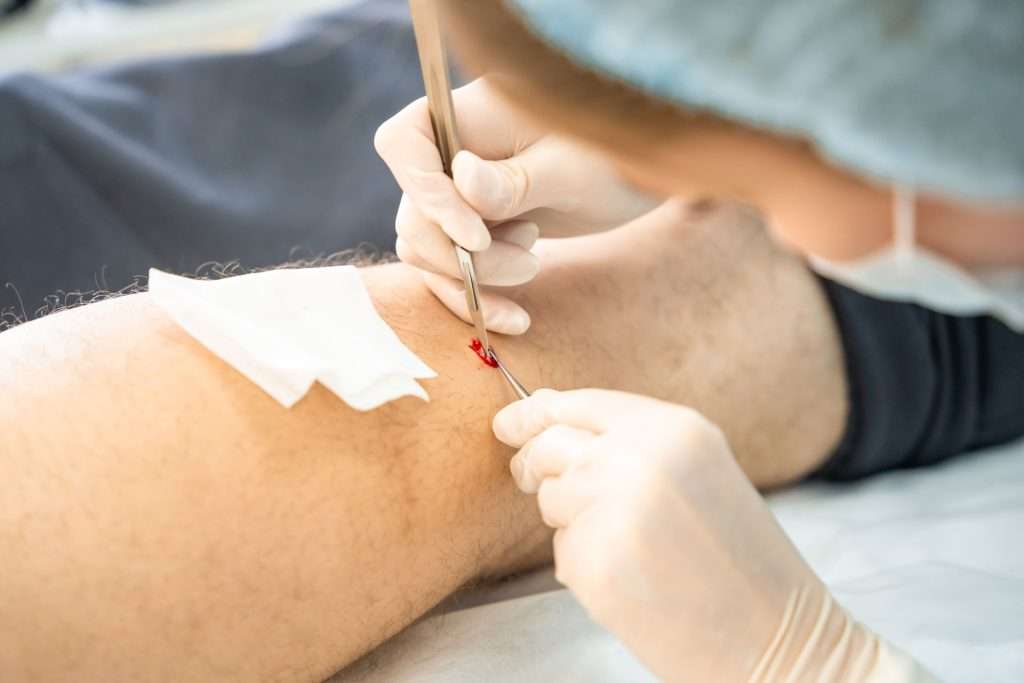
Biopsies come in various forms, each tailored to the tissue or organ being examined. Below are the main types of biopsies and their typical uses:
- Needle Biopsy
- Fine-Needle Aspiration: Utilizes a thin needle to extract fluid or cells, often used for lumps in the breast or thyroid.
- Core Needle Biopsy: Employs a larger, hollow needle for tissue samples; ideal for deeper or larger masses.
- Vacuum-Assisted Biopsy: Uses suction to collect more tissue, reducing needle insertions.
- Endoscopic Biopsy
- A thin, flexible tube with a light and camera collects tissue from internal areas.
- Commonly performed via cystoscopy (bladder), bronchoscopy (lungs), or colonoscopy (colon), typically under sedation.
- Skin Biopsy
- Shave Biopsy: Scrapes the surface layer of the skin, often for suspected skin cancer.
- Punch Biopsy: Removes a small, deeper skin section to examine rashes or lesions.
- Excisional Biopsy: Removes the entire lesion and surrounding tissue for thorough analysis.
- Surgical Biopsy
- Conducted when other methods cannot reach or define the abnormal area.
- Requires an incision, often to remove lymph nodes or breast lumps under local or general anesthesia.
Each type of biopsy plays a critical role in diagnosing and managing conditions like cancer, skin disorders, or internal abnormalities. Their variety ensures precise diagnostic results tailored to specific clinical needs.
Related: Exploring Family Planning: Deciding What’s Right for You
Step-by-Step Overview of a Typical Biopsy Procedure
Understanding the logistics of a biopsy can help ease concerns and prepare patients. Below is a general guide to the steps involved:
- Preparation
- Your healthcare provider will review your medical history and confirm any allergies, especially to anesthesia.
- You may need to fast for several hours if general anesthesia is planned.
- Avoid specific medications like blood thinners before the procedure, as advised by your doctor.
- You’ll likely be asked to wear loose, comfortable clothing or change into a hospital gown.
- Performing the Biopsy
- Local or General Anesthesia is administered to ensure comfort during the procedure.
- The specific technique depends on the type of biopsy:
- A needle biopsy involves inserting a hollow needle, often guided by imaging.
- An endoscopic biopsy uses a tube with a light to access internal organs.
- A surgical biopsy involves an incision to collect larger tissue samples.
- Tissue or cells are carefully extracted and preserved for analysis.
- Post-Procedure Care
- Once complete, the site is cleaned and bandaged.
- You’ll receive instructions on aftercare, including recognizing signs of infection or complications.
- Any discomfort is generally managed with over-the-counter pain relief, and results are typically available within a week.
Following these steps ensures both accuracy and safety, providing vital insights for diagnosis and treatment.
Related: Integrating Preventative Care into Your Daily Routine
What to Expect During a Cyst Removal Procedure
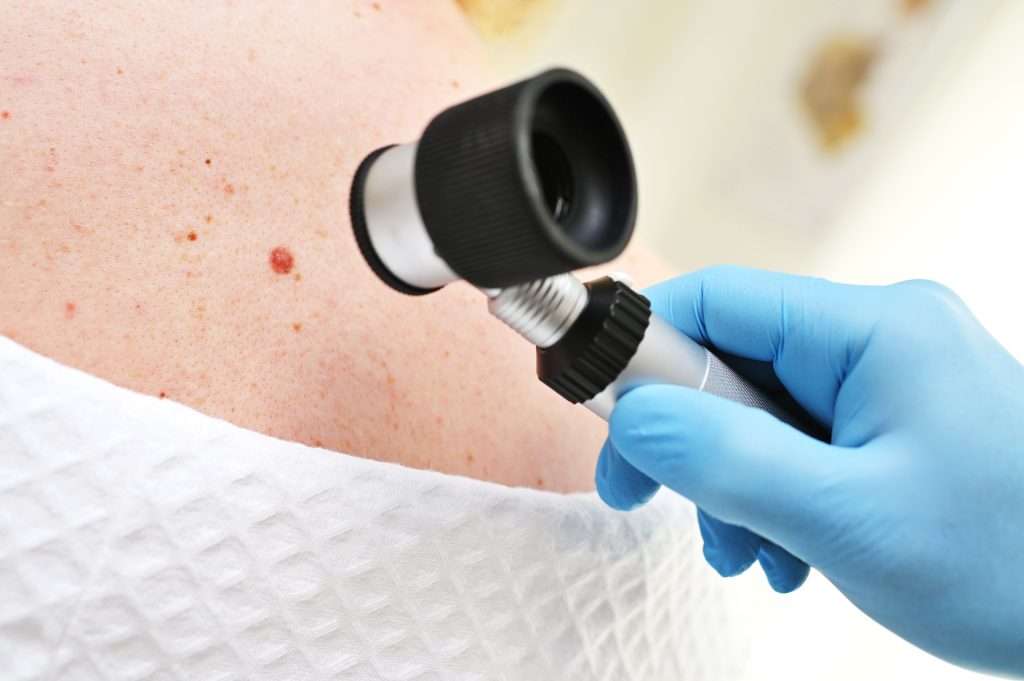
Cyst removal is a routine outpatient procedure performed to address both medical and cosmetic concerns. Here’s an overview of what you can expect:
- Preparation
- Your healthcare provider will examine the cyst and discuss the removal plan.
- Local anesthesia will be administered to numb the area.
- You may receive instructions to avoid blood-thinning medications prior to the procedure.
- Procedure Steps
- A small incision is made over the cyst to access the sac.
- If the cyst is intact, it is carefully removed, including the sac, to minimize the risk of recurrence.
- If the cyst has ruptured, the area is cleaned and surrounding tissues are treated to prevent infection.
- For some cysts, stitching may be necessary to close the incision.
- Post-Procedure Care
- The incision area will be cleaned and dressed with a sterile bandage.
- You’ll receive aftercare instructions, such as keeping the wound clean and watching for signs of infection.
- Stitches, if used, will typically dissolve or be removed during a follow-up visit.
The entire procedure is minimally invasive, often taking less than 30 minutes, and recovery is relatively quick, with most patients resuming normal activities within a few days.
Related: Managing Hypertension: A Comprehensive Approach
How to Prepare for Your Biopsy or Cyst Removal Appointment
Proper preparation is essential to ensure a smooth and successful procedure. Below are key steps to help you prepare for your biopsy or cyst removal:
- Dietary Restrictions
- Follow your doctor’s instructions on eating and drinking before the procedure. Some may require fasting for a few hours beforehand, especially for surgeries involving anesthesia.
- Medication Adjustments
- Inform your doctor about all medications you’re taking, including over-the-counter drugs and supplements.
- You may be asked to pause blood-thinning medications like aspirin or certain herbal remedies to reduce bleeding risks.
- Personal Care
- Shower and clean the area of the surgery, unless instructed otherwise. Avoid applying lotions, deodorants, or makeup near the surgical site.
- Do not shave the area yourself as this can increase the risk of infection.
- Logistical Preparations
- Arrange for a friend or family member to drive you home, especially if you’re receiving sedation or local anesthesia.
- Wear loose, comfortable clothing for easy access to the surgical area.
- Additional Tips
- Confirm details with your doctor, such as arrival time and any specific instructions tailored to your medical history.
- Bring any necessary identification and current medical records to the appointment.
By following these steps, you can help ensure your procedure is as safe and stress-free as possible.
Recovery and Aftercare Tips for Biopsies and Cyst Removal
Recovering from a biopsy or cyst removal requires attentive aftercare to promote healing and prevent complications. Below are key tips to guide you during recovery:
- Pain Management
- Use over-the-counter pain relievers like acetaminophen if recommended.
- Apply an ice pack to reduce swelling and discomfort; wrap it in a cloth and limit use to 15-20 minutes at a time.
- Wound Care
- Keep the site clean and dry. Gently wash with mild soap and water as instructed.
- Change dressings daily or as directed, using sterile materials. Avoid hydrogen peroxide or alcohol, as they can delay healing.
- If steri-strips or sutures were used, follow up with your doctor for removal or further care advice.
- Activity Restrictions
- Rest during the first 24-48 hours and avoid strenuous activities for at least a week.
- Refrain from activities that might irritate the area, such as excessive sweating or prolonged sitting if applicable.
- Monitoring for Infection
- Be alert for symptoms like increased redness, warmth, swelling, or pus at the site.
- A fever or worsening pain also warrants immediate medical attention.
By following these aftercare steps, most patients recover quickly and resume normal activities in a few days to weeks, depending on the procedure.
When to Seek Medical Advice for Unusual Symptoms
After a biopsy or cyst removal, it’s vital to monitor your recovery for any unusual symptoms that may require prompt medical attention. Knowing when to seek help can prevent complications and ensure a smooth healing process. Look out for the following:
- Severe Pain
- Persistent or worsening pain that doesn’t respond to prescribed medications.
- Signs of Infection
- Increased redness, warmth, or swelling around the site.
- Pus drainage or a foul odor from the wound.
- Fever or chills accompanying localized symptoms.
- Unusual Bleeding or Swelling
- Bright red blood soaking through dressings.
- Rapidly increasing swelling in the treated area.
- Other Concerning Symptoms
- Difficulty moving a limb near the surgical site.
- Numbness or tingling around the area.
If you experience any of these symptoms, don’t wait. Seek immediate medical advice from trusted professionals. At Desert Springs Medical Center P.C. in Las Cruces, New Mexico, skilled providers Erica Gutierrez, NP, and Juan Gutierrez, NP, are here to assist with your post-procedure concerns. Contact them today for personalized care and guidance. Taking action early ensures optimal recovery and overall health.