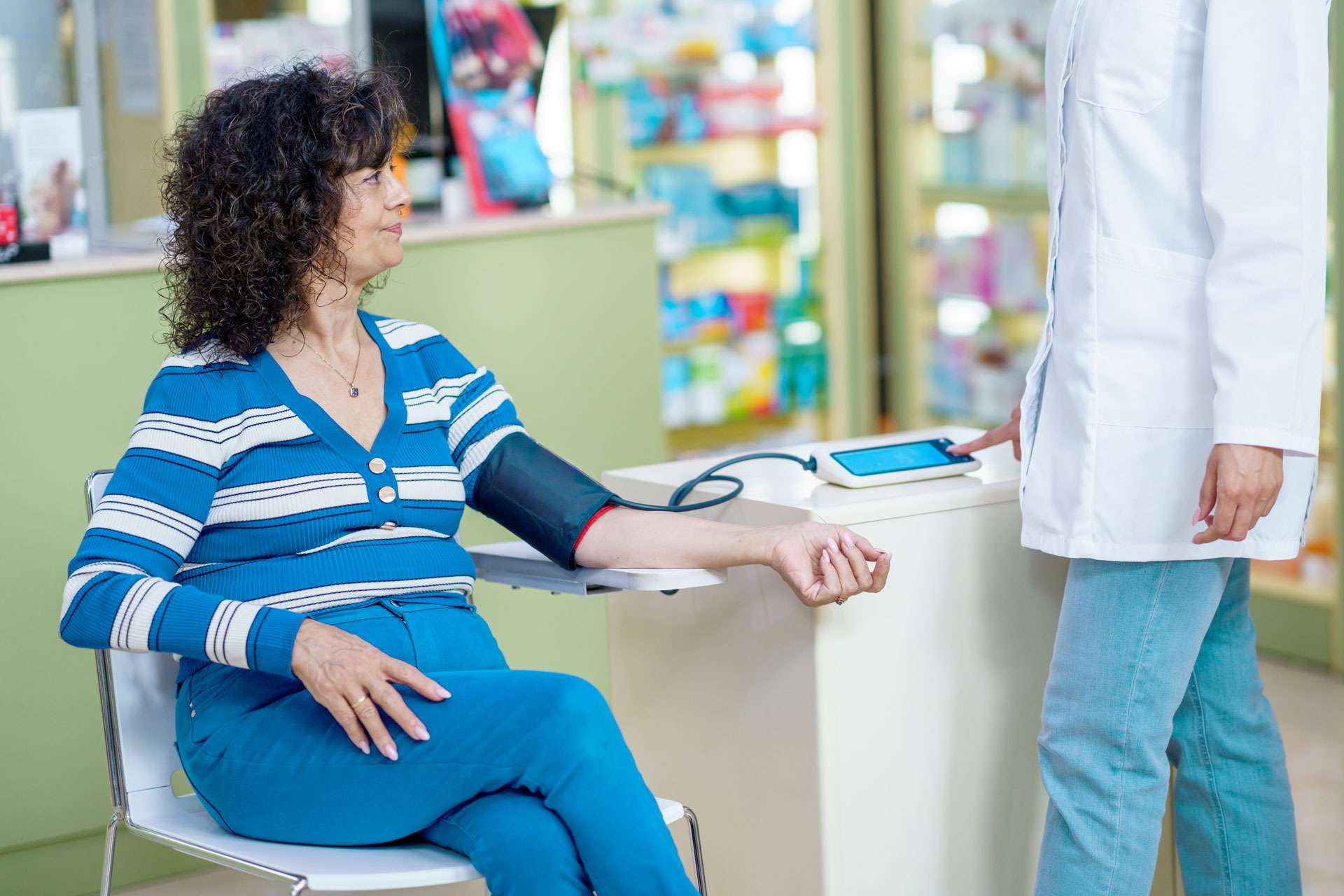
Are you doing everything you can to keep your blood pressure under control? Hypertension, often called the “silent killer,” affects millions worldwide, frequently without noticeable symptoms. Left unchecked, it can lead to serious complications, such as heart disease, stroke, or kidney damage.
Fortunately, with the right strategies, managing hypertension is both possible and effective. By combining medical treatments, lifestyle changes, and proactive monitoring, you can take meaningful steps toward improving your health and reducing long-term risks.
Understanding Hypertension: Causes, Risk Factors, and Symptoms
Hypertension, or high blood pressure, refers to the persistent force of blood pushing against your artery walls, often without noticeable symptoms. It’s a condition that can quietly damage your health over time, making it crucial to understand its causes, risk factors, and symptoms.
Causes
There are two primary types of hypertension, each with distinct causes:
- Primary (essential) hypertension: This is the most common form and develops gradually over time with no specific identifiable cause. Factors like lifestyle and genetic predisposition play a significant role.
- Secondary hypertension: This type results from an underlying condition or medication, appearing suddenly and often leading to higher blood pressure levels. Examples include:
- Kidney disease
- Obstructive sleep apnea
- Certain medications (e.g., NSAIDs, birth control pills)
- Thyroid disorders
Risk Factors
Certain factors increase your likelihood of developing high blood pressure, including:
- Age: Risk increases as you grow older.
- Family history: Genetics can play a role if hypertension is common in your family.
- Race: Hypertension is more prevalent and severe in Black individuals.
- Lifestyle factors:
- Being overweight or obese.
- Lack of physical activity.
- High-sodium or low-potassium diets.
- Excessive alcohol intake.
- Tobacco use, including smoking and vaping.
- Stress and related habits like overeating or substance use.
- Chronic conditions, such as diabetes, kidney disease, or sleep apnea, also contribute to increased risk.
Symptoms
Hypertension is often labeled a “silent killer” because most people may not experience symptoms until the condition becomes severe. When symptoms do occur, they may include:
- Headaches
- Shortness of breath
- Nosebleeds
However, these symptoms typically appear only during a hypertensive crisis, which requires immediate medical attention.
By knowing these foundational aspects of hypertension, you can take proactive measures to manage your health and reduce potential complications.
Related: Effective Weight Loss Management: Strategies and Tips
The Dangers of Uncontrolled Hypertension
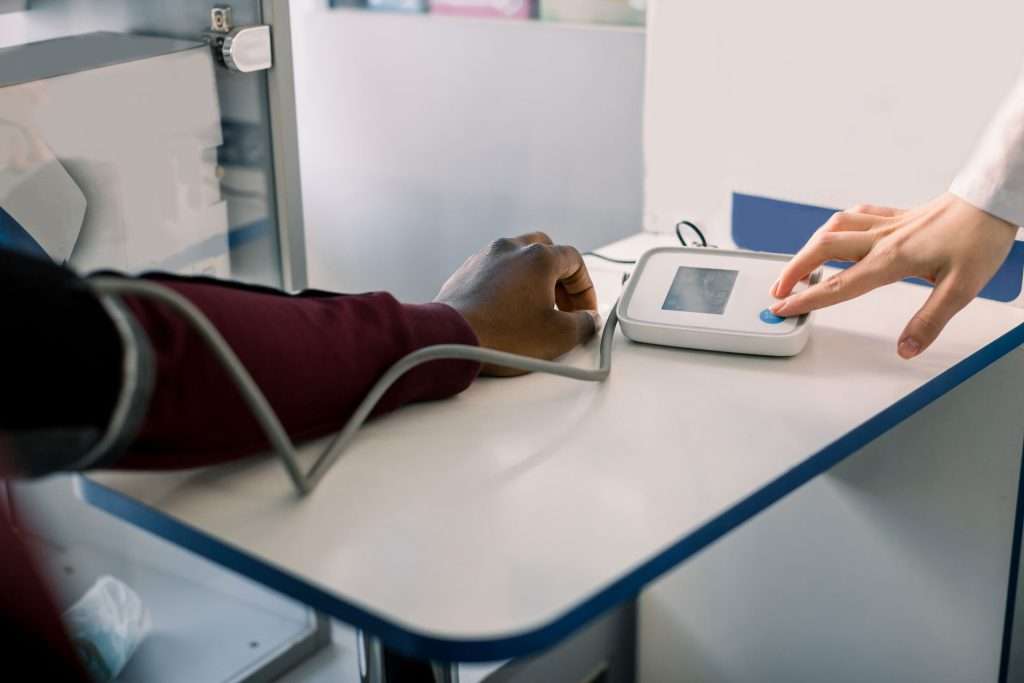
Uncontrolled hypertension, commonly known as high blood pressure, poses serious risks to overall health. Often dubbed the “silent killer,” it can quietly cause long-term damage to various organs before significant symptoms appear. Understanding these dangers underscores the importance of managing blood pressure effectively.
Key Health Risks of Uncontrolled Hypertension:
- Heart-related complications:
- Heart attack: Narrowed or blocked arteries prevent sufficient blood flow to the heart muscle.
- Heart failure: Increased strain causes the heart to weaken over time, reducing its ability to pump effectively.
- Aneurysm: Persistent, elevated pressure weakens artery walls, leading to potentially fatal ruptures.
- Damage to the brain:
- Stroke: Blocked or burst blood vessels impede oxygen flow to the brain, causing tissue damage.
- Cognitive decline and dementia: Reduced blood flow due to narrowed arteries increases the risk of vascular dementia.
- Kidney damage:
- High blood pressure injures delicate blood vessels in the kidneys, potentially leading to kidney failure or requiring dialysis.
- Eye problems:
- Strained blood vessels in the eyes can result in blurred vision or permanent vision loss.
Unchecked, hypertension can reduce quality of life and increase the likelihood of life-altering or fatal health events. By committing to proper treatment and lifestyle adjustments, these risks can be effectively minimized.
Related: Enhancing Quality of Life: A Guide to Geriatric Health Care
Medical Treatments for Hypertension: Medications and Their Roles
Managing hypertension effectively often requires a combination of lifestyle adjustments and medications. While lifestyle changes play a vital role, medications are typically prescribed when blood pressure needs additional control. These medications work in distinct ways to lower blood pressure, protect organs, and reduce health risks.
Here are the primary classes of medications used to treat hypertension:
- Diuretics (Water Pills)
These medications help the kidneys remove excess salt and water, reducing the volume of blood in the vessels. Common examples include hydrochlorothiazide and furosemide. Diuretics are often the first line of treatment for hypertension and can be used in combination with other drugs. - Beta-blockers
Beta-blockers lower blood pressure by reducing the heart rate and the force of contractions. They are particularly beneficial for patients with heart-related conditions, such as prior heart attacks. Examples include metoprolol and atenolol. - ACE Inhibitors
Angiotensin-converting enzyme (ACE) inhibitors block the production of a chemical that narrows blood vessels. This relaxation of blood vessels helps reduce blood pressure. Medications in this class include lisinopril and enalapril. - Angiotensin II Receptor Blockers (ARBs)
Similar to ACE inhibitors, ARBs block the effects of angiotensin but with fewer side effects like a persistent cough. Losartan and valsartan are common examples. - Calcium Channel Blockers
These medicines prevent calcium from entering the cells of the heart and arteries, helping the vessels relax and reducing blood pressure. Amlodipine and diltiazem are widely prescribed options. - Vasodilators
These drugs relax the smooth muscles in blood vessels, helping them widen and improve blood flow. Hydralazine is a common vasodilator used in select cases.
These medications may be prescribed individually or in combination based on factors like your specific health needs, age, and organ health. Consult your healthcare provider to determine the most effective treatment plan for managing your hypertension.
Dietary Changes for Better Blood Pressure Control

Diet is a critical factor in managing hypertension, and adopting healthier eating habits can significantly improve blood pressure levels. One well-researched approach is the DASH (Dietary Approaches to Stop Hypertension) diet, which focuses on nutrient-rich foods that support cardiovascular health while limiting those that can exacerbate hypertension.
The DASH diet emphasizes the consumption of vegetables, fruits, whole grains, lean proteins, and low-fat dairy. These foods are excellent sources of potassium, calcium, and magnesium—minerals that play a key role in regulating blood pressure. Including heart-healthy fats, such as those found in nuts, seeds, and non-tropical vegetable oils, is also encouraged. Reducing sodium intake is another essential component; even modest decreases in daily salt consumption can lead to significant reductions in blood pressure. The DASH diet suggests limiting sodium to levels as low as 1,500 milligrams per day for optimal results.
It’s not just what you eat but how you prepare your meals that matters. Cooking with fresh ingredients and using herbs, spices, or citrus juices instead of salt can enhance flavor without raising sodium levels. Processed foods, which are often a hidden source of excessive salt, should be avoided as much as possible.
Additionally, limiting added sugars, saturated fats, and trans fats is crucial for overall heart health. Substituting sugary snacks with fresh fruit or choosing whole-grain snacks over refined carb-loaded products can make a significant difference.
By committing to these dietary changes, paired with regular monitoring and consistency, individuals with hypertension can actively reduce their risks and work toward better long-term health outcomes.
The Role of Exercise in Managing Hypertension
Regular exercise is both a preventative and therapeutic tool for managing hypertension. Physical activity strengthens the heart, allowing it to pump blood more efficiently with less effort. This reduction in strain on the arteries leads to lower blood pressure levels over time.
Aerobic exercises, such as brisk walking, cycling, and swimming, are particularly effective in lowering both systolic and diastolic blood pressure readings. These activities not only promote better cardiovascular health but also help manage body weight—a critical factor in preventing and controlling hypertension. For individuals with sedentary lifestyles, even small changes, like incorporating short walks into daily routines, can yield significant benefits.
Beyond aerobic activities, strength training also plays a valuable role in hypertension management. While blood pressure may temporarily rise during weightlifting, consistent resistance training contributes to improved overall cardiovascular and muscular health, leading to long-term blood pressure regulation.
Exercise offers additional advantages, including stress reduction and better mood regulation. Chronic stress can elevate blood pressure, so engaging in regular physical activity serves as a natural stress-relief mechanism. Stretching exercises like yoga not only improve flexibility but also foster relaxation, which can support blood pressure control.
For optimal results, fitness routines should involve a mix of moderate aerobic exercise and strength-building activities spread across the week. Those new to exercise or with preexisting conditions should consult their healthcare providers before starting. Ultimately, consistency and gradual progress are key in leveraging exercise as a powerful tool to keep hypertension in check, promoting better health and quality of life.
When to Seek Medical Attention for Hypertension
Hypertension, or high blood pressure, can progress quietly and increase the risk of severe health issues if not managed properly. Knowing when to seek medical attention is vital for avoiding dangerous complications. Here are key scenarios when medical intervention is necessary:
- Blood Pressure Above 180/120 mm Hg
If your blood pressure readings exceed 180/120 mm Hg, it constitutes a hypertensive crisis. Recheck your blood pressure after a few minutes of rest. If it remains elevated, immediate medical assistance is crucial. - Symptoms of a Hypertensive Emergency
Seek emergency help if you experience chest pain, shortness of breath, severe headache, vision changes, confusion, weakness, or signs of a stroke, such as numbness on one side of the body or slurred speech. These symptoms may indicate organ damage. - Uncontrolled Hypertension Despite Treatment
Contact your healthcare provider if your medication fails to control your blood pressure or you notice persistent spikes. Adjustments to your treatment plan may be necessary. - Skipped Medication or Withdrawal Symptoms
Missing doses or abruptly stopping blood pressure medication can lead to severe spikes in blood pressure. Consult with your provider if this occurs. - Routine Management and Checkups
Regular follow-ups to monitor your blood pressure and overall health are essential, especially if you have pre-existing conditions like diabetes or heart disease.
For those living in Las Cruces, New Mexico, expert care is available at Desert Springs Medical Center P.C. Providers Erica Gutierrez, NP and Juan Gutierrez, NP specialize in effective hypertension management and preventive care. Don’t hesitate to reach out for personalized medical attention to ensure your blood pressure stays under control.