
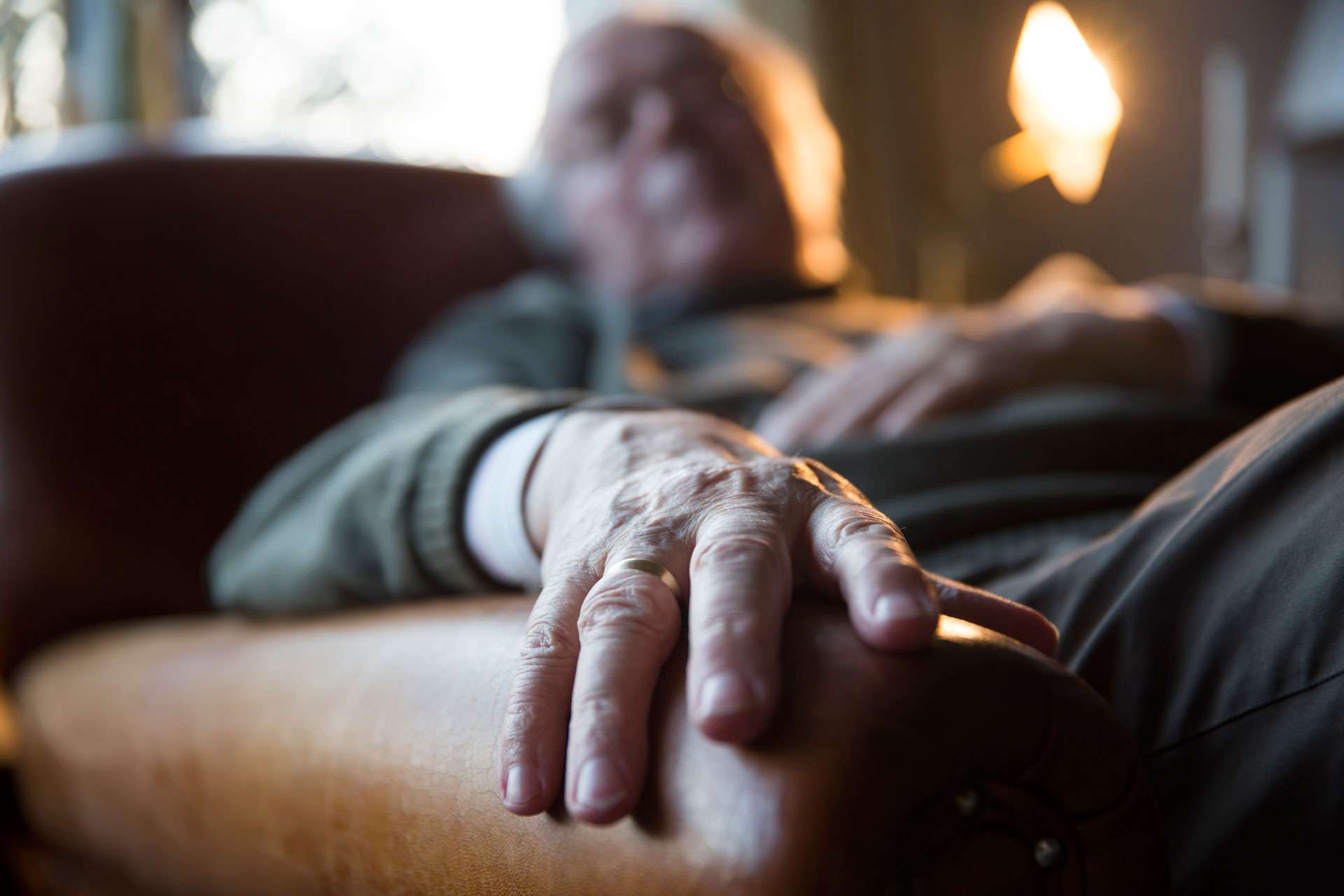
Caring for aging loved ones comes with unique challenges and responsibilities, making it essential to prioritize their health and well-being. Meeting the multifaceted needs of older adults goes beyond addressing physical health—it demands attention to mental, emotional, and social wellness as well. Understanding geriatric health care is key to enhancing their quality of life, ensuring they remain active, independent, and fulfilled for as long as possible.
By incorporating preventive care measures and adopting a holistic approach, caregivers and families can create a supportive environment that fosters dignity and comfort in later years. This guide explores the best practices and strategies to empower those navigating this rewarding yet complex role.
Understanding the Multifaceted Needs of Older Adults
Older adults experience a wide range of needs—physical, psychological, social, and environmental—that require thoughtful and comprehensive care. Physically, many deal with chronic conditions such as arthritis, cardiovascular diseases, or mobility challenges. This makes regular health assessments and tailored interventions essential to maintaining their independence and well-being. Psychological needs, including emotional support to combat anxiety, depression, or cognitive decline, are equally critical. Encouraging mental stimulation through activities like reading or puzzles can promote cognitive health and emotional stability.
Social interactions also play a significant role in aging. Isolation and loneliness are common among older adults, often leading to deteriorating health. Maintaining strong social connections, whether through family, friends, or community programs, fosters a sense of belonging and positively impacts mental health.
Equally important is the environment in which older adults reside. Age-friendly living spaces, such as homes with non-slip floors and easily accessible facilities, minimize risks and ensure comfort. Beyond design, access to community resources like transportation and healthcare services is vital.
A holistic approach to geriatric care combines these elements, acknowledging that physical health, mental well-being, social engagement, and environmental adaptation are interconnected. By addressing these multifaceted needs, caregivers and professionals can enhance the quality of life for older adults. Footnotes for relevant sources have been omitted to focus on content quality.
Related: Effective Weight Loss Management: Strategies and Tips
The Importance of Preventive Care in Geriatric Health

Preventive care is paramount in promoting health and preventing age-related diseases among older adults. Routine screenings are a key component, enabling early detection and management of conditions like cardiovascular disease, diabetes, and cancer. For example, regular breast and colorectal cancer screenings, along with annual check-ups, ensure continuous monitoring of overall health. These early interventions often significantly reduce the severity of potential complications.
Vaccinations also play a crucial role in geriatric preventive care. Immunizations like the influenza, pneumococcal, and shingles vaccines provide essential protection against life-threatening infections, particularly for individuals aged 65 and older. High-dose flu vaccines and updated pneumococcal shot formulations now cover broader bacterial strains, adapting to the unique needs of seniors.
Lifestyle modifications are equally critical. Encouraging older adults to maintain a balanced diet, engage in regular physical activity, and foster social connections contributes immensely to both physical and mental well-being. For instance, diets such as the Mediterranean plan not only address chronic conditions like hypertension but also support cognitive health. Exercise, particularly strength training, enhances mobility, while social engagements combat loneliness and reduce the risk of depression.
Proactively implementing these strategies ensures senior populations can lead healthier, independent lives. Healthcare providers and caregivers must prioritize personalized care plans that balance screenings, vaccinations, and lifestyle guidance to achieve optimal outcomes.
Holistic Approaches to Elderly Wellness
A holistic approach to elderly wellness goes beyond addressing physical ailments, focusing on the interconnected physical, mental, emotional, social, and spiritual needs of older adults. This comprehensive practice significantly enhances their quality of life by fostering overall well-being. Below are key components and benefits of holistic care:
Core Practices:
- Physical Wellness:
Gentle exercises like yoga, tai chi, and walking improve flexibility, muscle strength, and cardiovascular health. Balanced nutrition, rich in vitamins and minerals, supports overall vitality. - Mental Stimulation:
Activities such as puzzles, memory games, and reading sharpen cognitive abilities and slow the progression of conditions like dementia. - Social Engagement:
Group activities and community involvement combat loneliness and improve mental health, helping seniors feel valued and connected. - Emotional Balance:
Counseling, mindfulness, and pet therapy help seniors express emotions, managing anxiety and promoting stability. - Spiritual Connection:
Practices like meditation, prayer, and participation in cultural or religious activities foster peace and purpose.
Key Benefits:
- Enhanced emotional resilience and reduced stress.
- Improved physical health and prevention of chronic conditions.
- Greater independence and self-esteem.
- Strengthened immunity and better sleep quality.
By integrating these practices, caregivers and professionals offer a meaningful, dignified, and fulfilling experience for older adults, addressing the full spectrum of their needs.
Supporting Mental and Emotional Health in Aging
Mental and emotional health are pivotal components of overall well-being in aging. Many older adults encounter challenges like depression, anxiety, loneliness, or stress, often stemming from life transitions such as the loss of loved ones, retirement, or declining physical health. Addressing these concerns is vital, as unresolved mental health issues can profoundly impact quality of life, exacerbate physical conditions, and diminish independence.
Social engagement forms a strong defense against isolation, a key risk factor for depression and anxiety. Initiatives like community programs, group activities, or maintaining relationships with family and peers have been proven to enhance emotional resilience. Mindfulness techniques such as meditation and breathing exercises can also reduce stress, improve focus, and foster a sense of peace.
Professional support, including therapy and counseling, plays a crucial role in managing complex emotional concerns. Early intervention is essential; conditions such as depression are often underdiagnosed in older adults despite their prevalence. Caregivers can also benefit from tools like respite services and educational programs to support better mental health for all involved.
Ultimately, creating a compassionate and proactive environment enables older adults to maintain emotional stability and sustain a fulfilling life, even through challenging circumstances. Promoting mental well-being is as critical as physical health when supporting aging individuals.
Promoting Physical Health and Mobility in Later Years
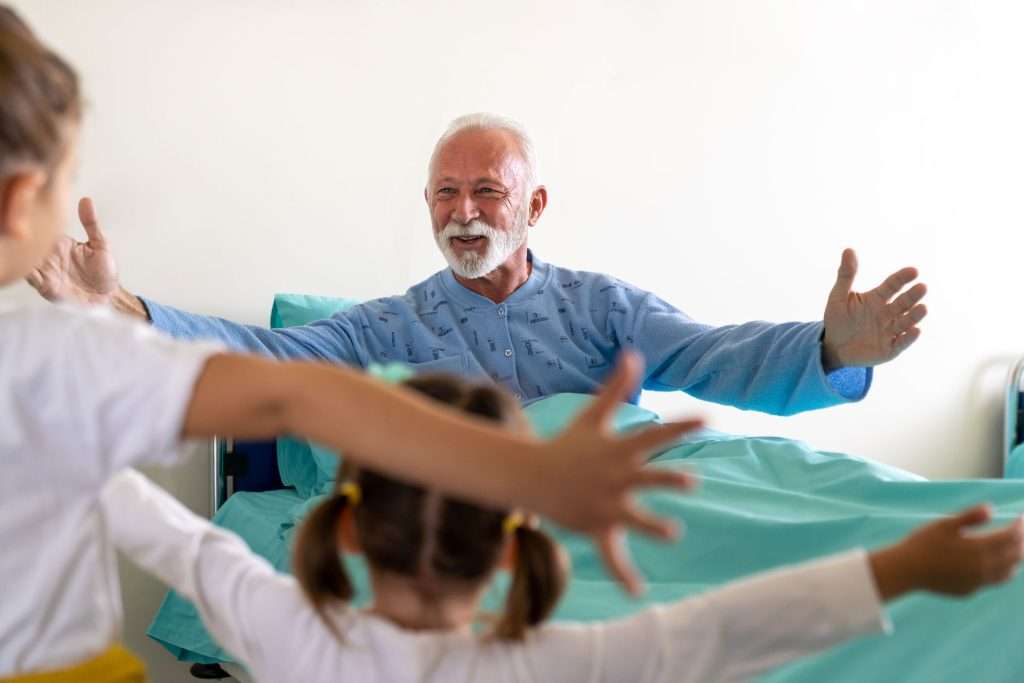
Maintaining physical health and mobility is essential for older adults to preserve their independence and quality of life. Reduced mobility increases risks of disability, falls, and chronic conditions while compromising mental well-being. Proactive measures, including regular exercise and fall prevention strategies, are critical for supporting seniors’ health.
Key Practices:
- Exercise Activities:
Engage in strength training, such as lifting light weights, endurance exercises like walking, and flexibility activities, including yoga or stretching. These improve muscle strength, cardiovascular health, and joint mobility while reducing stiffness. - Fall Prevention:
Encourage balance exercises like tai chi or heel-to-toe walking to lower fall risks. Ensure living environments are hazard-free by removing clutter, adding grab bars, and using non-slip mats.
Benefits of Physical Activity:
- Improved Mobility:
Regular movement enhances gait, balance, and the ability to perform daily tasks independently, reducing hospitalizations. - Mental and Emotional Health:
Exercise boosts mood and cognitive function through greater circulation and release of endorphins. - Disease Prevention:
Physical activity lowers the risk of chronic diseases, including heart conditions and diabetes, and helps manage arthritis symptoms.
Caregivers and healthcare professionals should develop personalized exercise plans, emphasizing consistency and safety, to help older adults maintain mobility and achieve a healthier, active lifestyle.
Practical Caregiving Tips for Families and Professionals
Providing quality care for older adults is both a rewarding and challenging responsibility. Whether you’re a family member or a professional caregiver, understanding practical strategies can greatly enhance the well-being of seniors. Below are some key caregiving tips:
- Maintain a Safe Environment: Remove clutter, secure rugs, and add grab bars in essential areas like bathrooms. Ensure adequate lighting throughout the home to reduce fall risks.
- Manage Health Care Needs: Keep an updated list of medications, schedule regular medical check-ups, and utilize tools like pill organizers to ensure adherence. Collaborate with experienced providers like Erica Gutierrez, NP, and Juan Gutierrez, NP, in Las Cruces, New Mexico for personalized care plans.
- Provide Emotional Support: Offer companionship through regular visits or phone calls. Engage in meaningful conversations and consider activities like puzzles or shared hobbies to combat feelings of isolation.
For professional guidance, consider reaching out to Desert Springs Medical Center P.C. Their team is committed to providing compassionate and comprehensive geriatric care.
By following these caregiving essentials, families and professionals can ensure older adults remain safe, supported, and valued in their golden years, promoting both independence and dignity.