
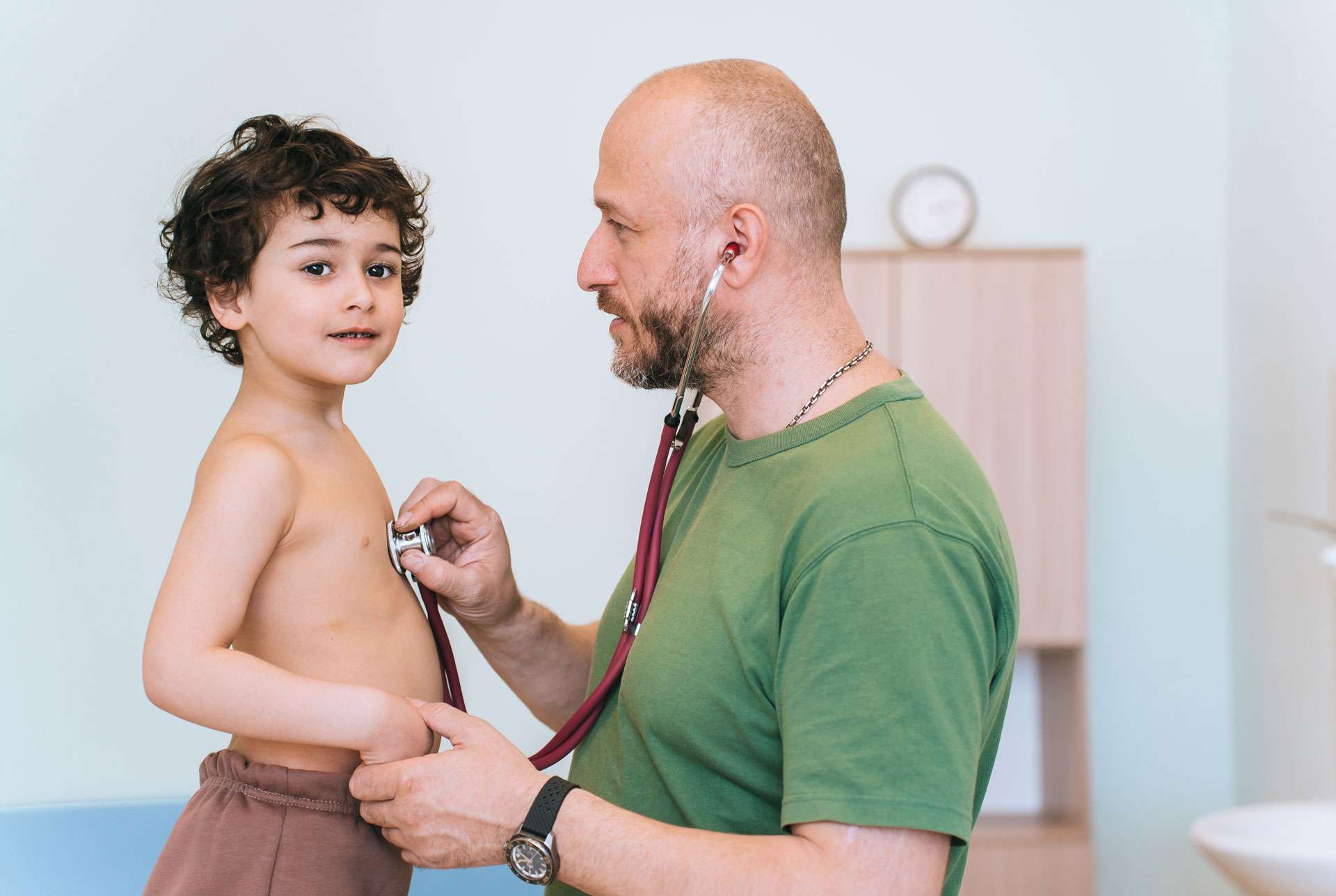
Regular check-ups play a crucial role in supporting your child’s health, growth, and development. Well-child preventative visits are designed to monitor your child’s physical, emotional, and behavioral milestones, ensuring they stay on track as they grow. These visits go beyond treating illnesses; they focus on prevention, early detection, and creating a foundation for lifelong well-being.
From tracking growth patterns and administering vaccinations to discussing developmental concerns and offering guidance, these check-ups equip you with the tools and information you need to support your child’s health at every stage. Understanding their importance can help you make the most of these appointments and provide your child with the best start possible.
What Are Well-Child Preventative Visits and Why Are They Important?
Well-child preventative visits are essential check-ups designed to monitor your child’s overall health and development, even when they aren’t sick. Unlike visits dedicated to addressing illness, these appointments take a proactive approach by focusing on prevention and early detection. They serve as a key opportunity to assess physical, emotional, and developmental milestones while providing parents with the tools to support their child’s growth.
During these visits, healthcare providers perform a thorough exam, tracking your child’s height, weight, and head circumference to ensure they’re progressing at a healthy rate. Growth charts and developmental milestones are key parts of these assessments, offering critical insights into your child’s overall health. Screenings for hearing, vision, and other areas are also conducted to detect potential issues early. This proactive approach helps address minor concerns before they become significant challenges, supporting better long-term outcomes.
Vaccinations are another essential part of these appointments, protecting your child from serious illnesses and ensuring they meet requirements for school and other activities. Additionally, well-child visits offer a dedicated space to discuss concerns like sleep patterns, nutrition, behavior, or social development, helping parents gain expert guidance.
These visits encourage a strong partnership between parents and pediatricians, creating a team-oriented approach to a child’s health. By making these check-ups a priority, you’re not just managing today’s health but shaping a solid foundation for your child’s future physical, mental, and emotional well-being.
Related: Your Guide to STI Testing and Reproductive Health
What to Expect During a Well-Child Visit
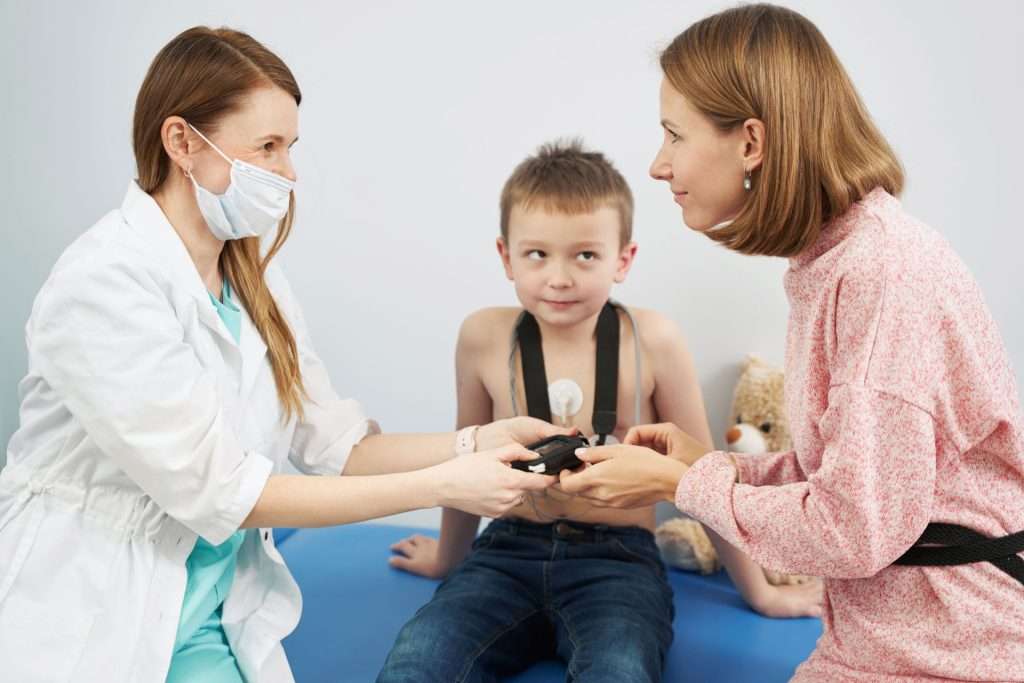
During a well-child visit, your pediatrician takes a holistic look at your child’s health, ensuring that they’re thriving physically, emotionally, and developmentally. These appointments allow parents to address any questions or concerns while fostering a proactive approach to wellness. Here’s what you can typically expect during a well-child visit:
- Health History Review
The doctor will start by asking about your child’s medical history, updates since the last visit, and any recent changes in health, behavior, or development. - Growth and Development Tracking
Your child’s height, weight, and (for infants) head circumference are measured and compared to growth charts. The doctor may also assess developmental milestones, motor skills, and cognitive abilities for age-appropriate progression. - Physical Examination
A thorough head-to-toe physical exam includes checking the heart, lungs, abdomen, eyes, ears, throat, and skin. For older children, posture and spine alignment may also be reviewed. - Screenings and Vaccinations
Age-specific screenings, such as vision, hearing, or anemia tests, may be conducted. Any due vaccinations will be administered to protect against preventable diseases. - Health Guidance and Education
Topics such as nutrition, sleep, physical activity, safety measures, and behavioral health will be discussed. Your pediatrician may provide tailored advice to support your child’s well-being. - Open Discussion
Parents are encouraged to use this time to bring up any concerns about behavior, learning, or general health. Your pediatrician will address questions and offer resources or referrals if needed.
These thorough visits play a pivotal role in promoting your child’s lifelong health and development.
Related: What to Expect During a Well-Child Check-Up
The Role of Vaccinations in Well-Child Visits
Vaccinations play a critical role in well-child visits, serving as a fundamental component of preventive healthcare. Administered according to a carefully designed schedule, vaccines shield children from serious diseases, such as measles, mumps, polio, and whooping cough. They help build immunity by teaching the body how to fight off harmful pathogens before exposure occurs, effectively reducing the risk of life-threatening complications.
Beyond individual protection, vaccinations contribute to the broader concept of herd immunity. This means that when a high percentage of the population is vaccinated, it prevents the spread of diseases, even among those who cannot receive vaccines due to medical reasons. This collective protection has been instrumental in minimizing or eradicating diseases that once posed significant public health risks.
At well-child appointments, pediatricians ensure children are on track with their immunization schedule. They discuss the benefits of each vaccine, address any parental concerns, and explain potential side effects. Vaccines are not only protective but are often mandatory for school attendance, daycare enrollment, and even participation in sports, emphasizing their importance in a child’s development and integration into the community.
Skipping or delaying vaccinations can have severe consequences, as it leaves children vulnerable to preventable illnesses and increases the risk of outbreaks within communities. Well-child visits serve as an essential checkpoint to maintain this safeguard. By staying up-to-date with vaccinations, parents take a vital step in protecting their children’s health while contributing to the wellbeing of society as a whole.
Related: Managing High Cholesterol: Diet, Exercise, and Treatment Options
Common Questions and Concerns Addressed by Healthcare Providers

During well-child visits, healthcare providers address a variety of common questions and concerns, offering parents valuable guidance for their child’s overall well-being. Here are several key questions frequently discussed during these appointments:
- Is my child’s growth and development on track?
Providers measure height, weight, and head circumference (for younger children) and compare these to standardized growth charts. They also evaluate physical, emotional, and cognitive developmental milestones. - Are vaccinations up to date?
Immunizations protect children against serious diseases. Parents often ask which vaccines are due, what they prevent, and any potential side effects. - What milestones should my child reach before the next visit?
Providers outline age-appropriate milestones in areas like motor skills, language development, and social interactions, giving parents goals to monitor. - What should my child eat (or avoid)?
Questions about diet are common, covering picky eating, introducing new foods, or understanding nutritional requirements for growth. - How do I ensure my child’s safety?
Parents often seek advice on car seat guidelines, baby-proofing, and managing screen time. For older children, safety concerns may shift to social media, bullying, or substance use. - Is it normal for my child to exhibit [specific behavior]?
Parents frequently bring up concerns like tantrums, bedwetting, or difficulty concentrating in school for evaluation. - How can I support my child’s mental health?
With growing awareness of mental health, discussions often focus on recognizing signs of anxiety or depression and fostering emotional well-being.
Having a prepared list of questions ensures parents make the most of these visits, creating a collaborative approach to their child’s health and development.
Related: Asthma and COPD Management: Breathing Easier Every Day
How to Prepare for Your Child’s Preventative Visit
Preparing for your child’s preventative visit not only ensures an efficient appointment but also makes the experience less stressful for both you and your child. Here are some key steps to help you get ready:
- Gather Medical Records and Questions
Bring your child’s vaccination records, a list of any medications, and notes about their recent health or behavioral changes. Write down any concerns or questions you have about their development, nutrition, or sleep habits to discuss with your provider. - Explain the Visit to Your Child
Talk to your child in a positive, age-appropriate way about what to expect. Use simple phrases like, “The doctor is here to help us make sure you’re strong and healthy.” Address any fears they might have, whether about vaccinations or exams. - Pack Comfort Items
For younger children, bring along a small toy, book, or blanket for added comfort in the exam room. Familiar items can help make the environment feel less intimidating. - Dress for Convenience
Choose clothing for your child that makes it easy for the provider to perform exams, such as shorts, T-shirts, or outfits without too many layers or fasteners. - Arrive Early
Plan to arrive a little early to complete any required paperwork and help your child adjust to the medical office setting.
At Desert Springs Medical Center P.C. in Las Cruces, New Mexico, providers Erica Gutierrez, NP, and Juan Gutierrez, NP, strive to make preventative visits a positive experience for the whole family. Ensure your child’s ongoing health by scheduling their visit today at Desert Springs Medical Center P.C. for compassionate, expert care.