
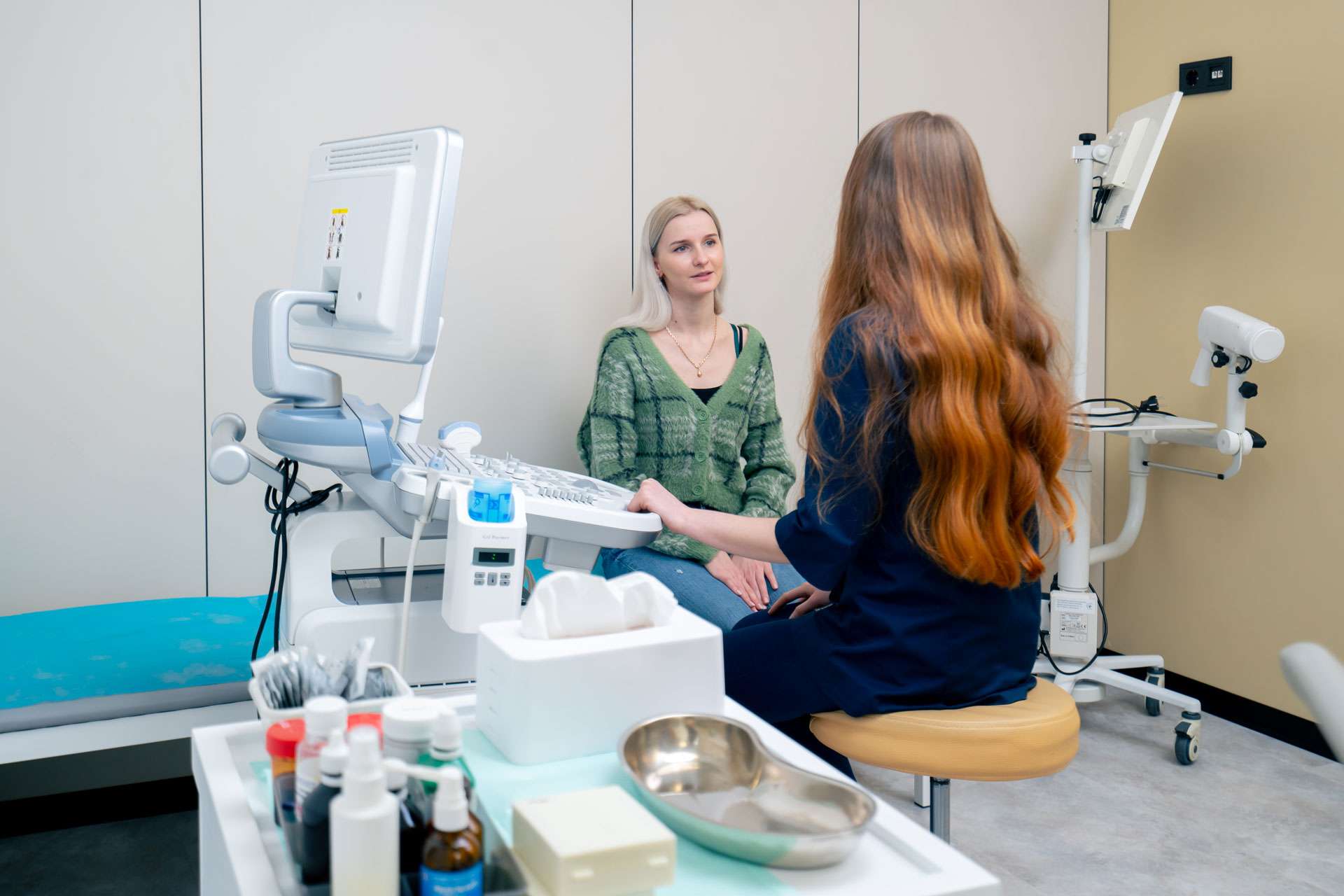
Chronic diseases, such as diabetes, heart disease, and cancer, are among the leading causes of death and disability worldwide. Their impact not only strains healthcare systems but also affects the quality of life for millions of individuals and families. The good news is that many chronic conditions can be managed—or even prevented—if detected early.
Regular health screenings play a vital role in identifying risk factors and early signs of disease, empowering individuals to take timely, proactive steps toward better health. Understanding the importance of these screenings is essential in steering clear of avoidable complications and fostering long-term wellness.
Understanding Chronic Diseases and Their Prevalence
Chronic diseases, including diabetes, heart disease, stroke, and cancer, dominate as leading causes of death and disability globally. These noncommunicable conditions account for approximately 63% of worldwide deaths, a figure expected to rise as populations age and lifestyles shift. Longer life expectancies and lower birth rates have increased global average population age, resulting in a growing burden of chronic diseases across both developed and developing nations. For example, cardiovascular disease alone affects more than 523 million people globally, contributing to around 19 million deaths annually.
The ripple effects of chronic diseases are vast. Economically, these conditions impose staggering costs, with estimates predicting a global financial burden of $47 trillion by 2030. Healthcare systems worldwide are frequently overwhelmed by the need to manage long-term care, hospitalization, and loss of workforce productivity due to chronic ailments.
Lifestyle factors play a crucial role in the development of many chronic conditions. Smoking, inactivity, poor nutrition, and excessive alcohol consumption drive the prevalence of preventable diseases such as type 2 diabetes and cardiovascular ailments. These behaviors, combined with social determinants of health—like access to nutritious food and safe spaces for exercise—further complicate prevention efforts.
Despite the challenges, many chronic diseases are preventable with early intervention and healthy habits. Recognizing the significant impact of lifestyle adjustments and preventive measures is critical in mitigating the prevalence and improving outcomes. Regular health screenings, paired with lifestyle changes, can detect risks early, offering a tangible pathway to reduce the mounting global burden of chronic diseases.
Related: All You Need to Know About Well-Child Preventative Visits
The Benefits of Early Detection
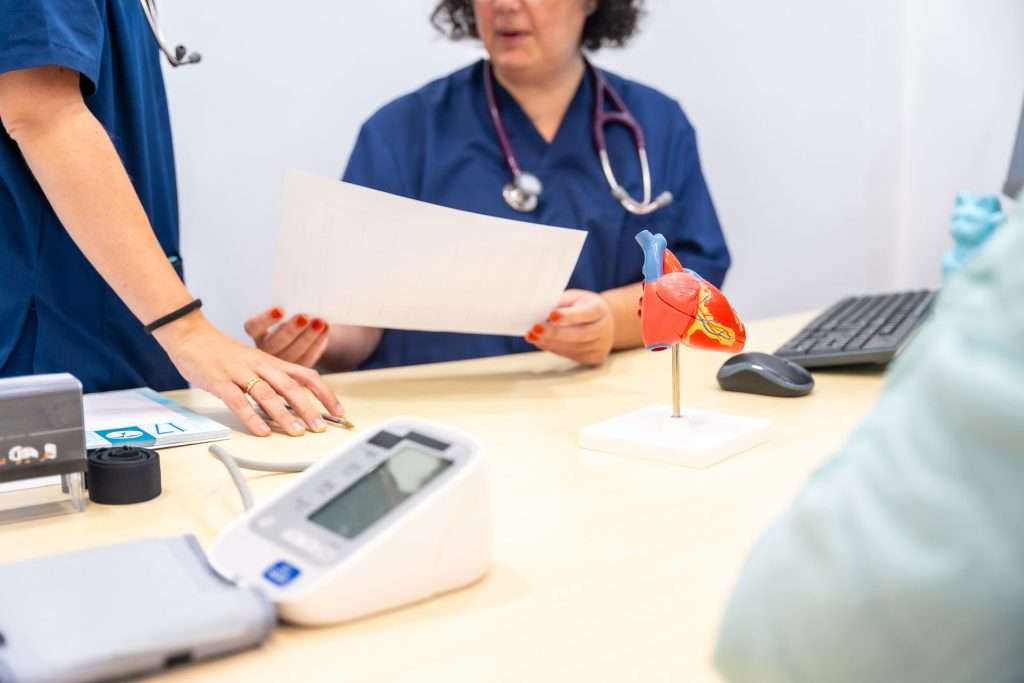
Early detection of chronic diseases is a vital step in improving health outcomes and reducing the global burden of long-term conditions like diabetes, cancer, and heart disease. Through regular health screenings and timely diagnosis, individuals and healthcare systems can benefit in several significant ways:
- Improved Treatment Outcomes
Early diagnosis allows conditions to be identified in their initial stages, often before symptoms manifest. For instance, treating cancer in its early stages dramatically increases the chances of successful outcomes. Similarly, detecting high blood pressure early can help prevent life-threatening complications like strokes or heart attacks. - Cost Savings for Individuals and Healthcare Systems
By addressing diseases early, the need for costly treatments and prolonged hospital stays can be minimized. Preventative care and routine screenings are typically far less expensive than managing advanced conditions, which often require complex interventions or surgeries. - Enhanced Quality of Life
Managing a chronic disease early can limit symptoms, prevent complications, and preserve an individual’s ability to lead an active, satisfying life. For example, early detection of diabetes can help individuals make lifestyle modifications and avoid long-term consequences like nerve damage or vision loss. - Reduced Healthcare System Burden
Screening programs alleviate pressure on healthcare infrastructures by preventing diseases or catching them at treatable stages, allowing resources to be allocated more effectively. - Empowerment Through Awareness
Early detection equips individuals with crucial knowledge about their health, enabling proactive decision-making to mitigate risks and maintain wellness.
Ultimately, early detection serves as a safeguard, providing opportunities for intervention that benefit not only individuals but also the broader healthcare system.
Related: Your Guide to STI Testing and Reproductive Health
Key Screenings for Common Chronic Diseases
Regular health screenings are critical tools for the early detection and prevention of chronic diseases. These tests not only identify conditions in their initial stages but also guide effective interventions to improve health outcomes. Below is a list of key screenings recommended for the most prevalent chronic diseases:
- Cholesterol Test
- Purpose: Measures levels of LDL (bad cholesterol) and HDL (good cholesterol) to assess the risk of heart disease and stroke.
- Frequency: Every 5 years starting at age 20, or more frequently depending on individual risk factors such as obesity or family history.
- Colonoscopy
- Purpose: Detects and removes precancerous polyps and screens for colorectal cancer.
- Frequency: Every 10 years starting at age 45 for average-risk individuals, or as advised by a physician based on personal or family history.
- Mammography
- Purpose: Screens for breast cancer to enable early intervention and treatment.
- Frequency: Annually or biennially beginning at age 40-50, depending on risk factors and professional guidelines.
- Diabetes Screening (Glucose Test)
- Purpose: Identifies prediabetes or diabetes by measuring blood sugar levels.
- Frequency: Starting at age 45 and earlier for individuals with risk factors like high BMI or family history of diabetes.
- Pap Smear/HPV Test
- Purpose: Detects cervical cancer and HPV-linked abnormalities.
- Frequency: Every 3 years for women aged 21-65, with HPV testing every 5 years from age 30.
These screenings are critical components of preventative healthcare, offering the opportunity to diagnose and manage chronic conditions before they progress to advanced stages.
Related: What to Expect During a Well-Child Check-Up
Risk Factors and Who Should Screen Early

Identifying risk factors for chronic diseases and understanding who should undergo early screenings are critical steps in preventive healthcare. Certain behavioral, biological, and genetic factors heighten the likelihood of developing chronic conditions, making early detection essential for at-risk individuals. Below are the key risk factors and groups who should prioritize early health screenings:
- Behavioral Risk Factors
- Smoking, excessive alcohol consumption, physical inactivity, and an unhealthy diet are major contributors to chronic diseases like heart disease, type 2 diabetes, and certain cancers. Addressing these factors through early intervention is vital to reduce long-term health risks.
- Biological Risk Factors
- Conditions such as obesity, high blood pressure, elevated cholesterol, and raised blood glucose levels mark early signs of potential chronic illnesses. Routine screenings for these indicators can help in identifying risks before serious complications arise.
- Genetic Predisposition
- A family history of chronic diseases such as cancer, cardiovascular disease, or diabetes increases the likelihood of developing these conditions. Individuals with such histories should start screenings earlier than the general population.
- Age and Sex
- Age-related risks make early screening crucial for people over 40, as the incidence of chronic diseases tends to rise. Women should prioritize screenings like mammograms and pap smears, while men may focus on tests such as PSA for prostate health.
- Individuals with Socioeconomic and Environmental Challenges
- Social determinants, including limited access to nutritious food, healthcare, or safe exercise spaces, contribute to higher risk levels. People in such conditions benefit greatly from proactive health monitoring.
By recognizing these risk factors and ensuring timely screenings, individuals can take proactive measures to safeguard their health and improve outcomes.
Related: Managing High Cholesterol: Diet, Exercise, and Treatment Options
How Regular Screenings Improve Long-Term Wellness
Regular health screenings are a key component of preventive healthcare, offering numerous benefits that support long-term wellness. By identifying potential risks early, these screenings help to maintain both individual health and overall well-being. Below are the main ways regular screenings can positively impact long-term health:
- Timely Detection of Health Issues
- Regular screenings allow healthcare providers to identify conditions like high cholesterol, diabetes, or even early-stage cancers before symptoms manifest. Early detection enables timely interventions, leading to significantly better health outcomes.
- Prevention of Disease Progression
- Screenings provide a proactive way to manage chronic diseases. For instance, monitoring blood pressure or glucose levels can prevent complications related to heart disease or diabetes from worsening over time.
- Cost-Effective Healthcare
- Preventive measures like screenings are often less expensive than treating advanced diseases. Many insurance plans cover screenings at little to no cost, helping patients reduce long-term medical expenses.
- Improved Quality of Life
- Regular check-ups support better lifestyle choices by empowering patients with personalized health insights. Adjustments to diet, exercise, or medications can optimize health and maintain physical activity well into older age.
- Enhanced Productivity and Longevity
- Being proactive with health reduces missed work days due to illness and increases life expectancy, enabling individuals to enjoy a vibrant, productive life.
Residents of Las Cruces, New Mexico can count on experienced providers Erica Gutierrez, NP, and Juan Gutierrez, NP, at Desert Springs Medical Center P.C. to guide them through comprehensive screening programs tailored to their needs. Take action today to secure your long-term wellness by scheduling an appointment!