
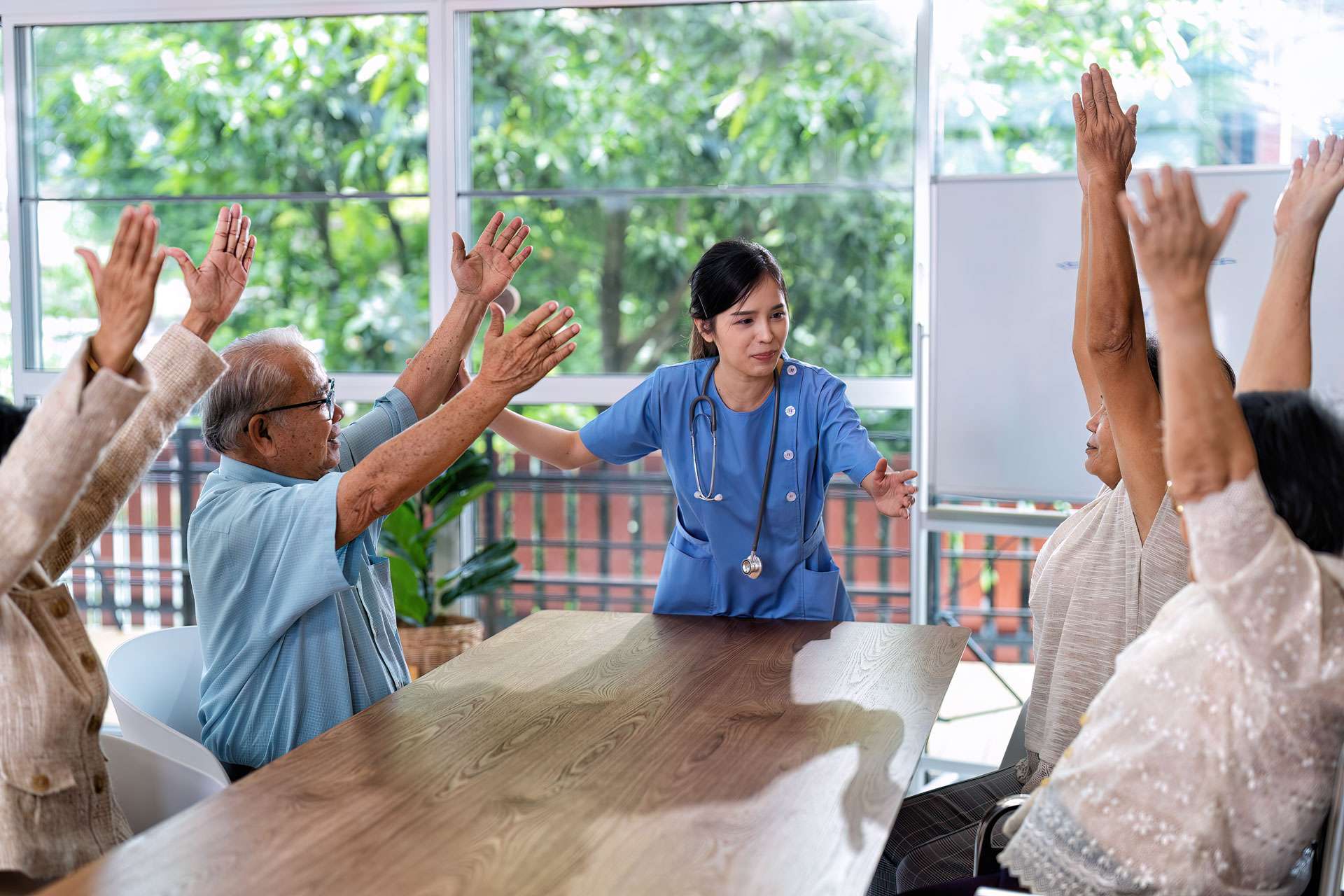
As people live longer, the importance of geriatric health has never been more relevant. Aging is a natural part of life, but how we age can significantly impact quality of life. With the right care, planning, and lifestyle choices, older adults can enjoy a vibrant, independent, and fulfilling life well into their later years.
Geriatric health focuses on the unique needs of aging individuals, addressing both physical and mental well-being through a comprehensive care approach. Whether you’re a senior yourself or a family member caring for a loved one, understanding how to support healthy aging is essential. From preventative healthcare to emotional support and chronic condition management, geriatric health ensures that older adults are not only living longer but living better.
The Role of Preventive Care in Geriatric Health
Preventive care plays a foundational role in supporting geriatric health. Rather than waiting for medical issues to arise, a proactive approach helps identify potential health concerns before they become serious. For older adults, this means routine screenings, vaccinations, and regular check-ups with healthcare providers who specialize in aging.
Annual physicals, bone density scans, cancer screenings, blood pressure monitoring, and cholesterol checks are all critical for detecting early signs of disease. Additionally, vision and hearing assessments help maintain sensory functions that directly affect independence and quality of life. Preventive care also includes discussions about cognitive health, mobility, and emotional well-being—all of which are important as individuals age.
Flu shots, shingles vaccines, and pneumococcal vaccines are recommended for seniors to prevent infections that can have severe consequences. Lifestyle assessments, such as nutrition and exercise habits, are equally important in shaping a holistic care plan tailored to the aging individual.
Ultimately, embracing preventive care not only supports longer life but enhances daily function, autonomy, and peace of mind for seniors and their families. Integrating these strategies into regular care routines is one of the best investments in long-term geriatric health.
Related: The Importance of Preventative Health Care: Your Guide to Staying Well
Managing Chronic Conditions in Older Adults

Chronic conditions like diabetes, arthritis, heart disease, and COPD are common in older adults and require consistent, individualized management to ensure a high quality of life. Addressing these conditions within the scope of geriatric health means understanding the interplay of multiple medical issues, medications, and age-related changes in the body.
Seniors often experience changes in metabolism, organ function, and immune response, which can affect how chronic diseases progress and how medications work. Coordinated care among healthcare providers, including primary physicians, specialists, and sometimes geriatricians, ensures that treatment plans are both safe and effective.
Another critical factor is patient education. Seniors and caregivers should be informed about symptoms to monitor, how to properly take medications, and the importance of follow-up appointments. Technology, such as wearable devices or remote monitoring tools, can also aid in tracking vital signs and managing symptoms at home.
Regular evaluation of treatment plans helps ensure that therapies remain appropriate as needs evolve. Managing chronic illness in older adults requires patience, consistency, and a personalized approach, all of which are cornerstones of comprehensive geriatric health.
Related: The Impact of Smoking Cessation on Long-Term Health Outcomes
The Importance of Mental Health in Aging
Mental and emotional well-being is often overshadowed by physical health, but it is just as crucial in the context of geriatric health. Many older adults face challenges such as loneliness, loss of loved ones, cognitive decline, or depression—all of which can significantly impact their overall health.
Mental health issues in seniors often go undiagnosed because symptoms may present differently than in younger adults. For instance, depression might manifest as fatigue or irritability rather than sadness. Cognitive changes, including memory loss or confusion, could be early signs of dementia or other neurological disorders.
Addressing these concerns starts with open communication. Families, caregivers, and healthcare providers should create an environment where older adults feel safe discussing their feelings. Regular cognitive screenings, therapy options, and support groups can provide meaningful help.
Social interaction is also a key factor. Staying engaged with friends, community activities, or volunteer opportunities can combat isolation. Encouraging hobbies, creative outlets, and physical activity also supports mental resilience.
Incorporating mental wellness into geriatric care ensures a more balanced, dignified approach to aging—proving that geriatric health includes mind and spirit, not just body.
Related: Minor Medical Procedures: What to Expect During Treatment
Nutrition and Physical Activity for Seniors
Diet and exercise are two of the most controllable factors in supporting geriatric health. As we age, nutritional needs change due to shifts in metabolism, appetite, and potential medication interactions. Likewise, maintaining physical activity becomes essential to preserve muscle mass, bone health, and overall vitality.
Key nutrition considerations for seniors:
- Emphasize high-fiber foods to support digestion and heart health.
- Ensure adequate protein intake to maintain muscle strength.
- Incorporate calcium and vitamin D to reduce the risk of osteoporosis.
- Stay hydrated, even if the sense of thirst diminishes.
- Limit sodium and added sugars to manage blood pressure and glucose levels.
Recommended physical activities for older adults:
- Walking or swimming to improve cardiovascular health without strain.
- Light strength training to maintain balance and bone density.
- Stretching or yoga for flexibility and fall prevention.
- Group exercise classes to encourage social interaction.
With proper guidance, even older adults with mobility limitations can benefit from modified fitness routines and specialized meal plans. Prioritizing nutrition and activity forms a powerful base for holistic geriatric health.
Related: Understanding Weight Management: Tips for a Healthier You
Fall Prevention and Home Safety for the Elderly
Falls are one of the leading causes of injury and hospitalization among older adults. Preventing falls is a critical aspect of geriatric health, especially as balance, vision, and muscle strength decline with age. The good news is that many falls are preventable with simple home adjustments and proactive strategies.
Effective fall prevention tips include:
- Remove tripping hazards such as loose rugs, cords, and clutter.
- Install grab bars in bathrooms and railings on stairs.
- Ensure proper lighting in all areas, especially stairways and hallways.
- Use non-slip mats in the bathroom and kitchen.
- Encourage the use of supportive, non-skid footwear.
- Schedule regular vision and hearing checks.
- Consider a medical alert system for quick emergency access.
In addition to environmental changes, regular balance and strength exercises can significantly reduce fall risk. Occupational therapists or home safety specialists can provide personalized recommendations for safer living environments.
For caregivers and family members, awareness and action are key. Creating a safer home not only prevents injuries but also preserves the independence and confidence of aging loved ones—an essential goal in supporting lifelong geriatric health.
Medication Management and Polypharmacy Risks
As people age, it’s common to take multiple medications for various chronic conditions. However, this increases the risk of polypharmacy—the use of multiple drugs that may interact poorly with each other. Effective medication management is an essential part of geriatric health, helping to avoid adverse effects, hospitalizations, and cognitive decline.
Older adults process medications differently than younger individuals. Slower liver and kidney function can impact how drugs are absorbed and eliminated. This means even standard doses can have stronger effects or lead to unintended side effects in seniors.
A routine medication review by a healthcare provider or pharmacist can help reduce unnecessary prescriptions and identify potential interactions. Pill organizers, medication reminder apps, and consistent scheduling help prevent missed doses or accidental double dosing.
It’s also important to monitor for signs of drug-related complications, such as dizziness, confusion, or digestive issues. Caregivers play a crucial role in ensuring adherence to prescribed regimens and reporting any unusual symptoms to a medical professional.
By simplifying medication routines and reviewing prescriptions regularly, seniors can maintain better health and avoid complications, reinforcing the importance of safe medication practices in overall geriatric health.
If you or a loved one are ready to take proactive steps toward healthier aging, Desert Springs Medical Center P.C. is here to support your journey. Located in Las Cruces, New Mexico, our team offers compassionate, comprehensive care tailored to the unique needs of older adults.
Our experienced providers, Erica Gutierrez, NP and Juan Gutierrez, NP, specialize in managing chronic conditions, preventive health, and personalized wellness plans for seniors. Whether you’re navigating complex medications or simply looking to age with strength and dignity, we’re committed to helping you or your family members thrive.
Schedule your appointment with Desert Springs Medical Center P.C. today and experience dedicated geriatric care in Las Cruces, New Mexico.