Many common minor procedures—such as mole removals, joint injections, and wound care—can be safely and effectively performed in a primary care setting. At a trusted clinic like Desert Springs Medical Center P.C., patients benefit from personalized, faith-centered care while receiving prompt medical attention for minor concerns.
Primary care is more than just routine check-ups—it’s often the first place where small but necessary medical procedures are done safely and efficiently. At a faith-based clinic like Desert Springs Medical Center P.C., patients can receive comprehensive care in a comforting environment rooted in Christian values. This approach not only saves time and money but also strengthens the ongoing patient-provider relationship through trust and continuity of care.
Primary care providers are trained to manage a wide variety of minor procedures right in the exam room, reducing the need for referrals or urgent care visits. Whether you’re dealing with a suspicious skin lesion or a painful joint, your primary care clinic may be fully equipped to help.
What kinds of procedures can primary care doctors perform?
Primary care physicians are trained in a broad range of clinical skills, allowing them to manage many minor medical procedures in the office setting. This includes skin-related procedures, joint interventions, women’s health care, and even urgent treatments.
Here are some of the most common procedures typically performed in a primary care clinic:
- Skin lesion removal (e.g., moles, cysts, warts)
- Skin biopsies for diagnostic purposes
- Joint injections for arthritis or inflammation
- Drainage of abscesses or cysts
- Suture placement and removal for cuts
- Cryotherapy (freezing warts or skin tags)
- Ear wax removal
- Ingrown toenail treatment
- IUD insertion and removal
- Pap smears and other gynecological exams
Having these services available in one place supports continuity of care and simplifies follow-up.
Related: How Nutrition Plays a Key Role in Preventative Health
How do I know if my condition can be treated in primary care?
If you’re unsure whether your health issue requires a specialist, the best place to start is with your primary care provider. They can assess the severity, provide initial treatment, and refer you to a specialist if necessary.
Minor conditions such as small skin growths, joint pain, or minor infections are often best addressed in a primary care setting. Providers use clinical guidelines and experience to determine when it’s safe and effective to treat in-house.
For example, a suspicious mole can be examined, biopsied, and even removed during a scheduled visit. Likewise, a swollen joint might benefit from a same-day injection for relief. When something is beyond the clinic’s scope, your primary care doctor will guide the next steps.
Related: Asthma and COPD Care: Breathing Easier With Ongoing Support
Are procedures in primary care safe and effective?
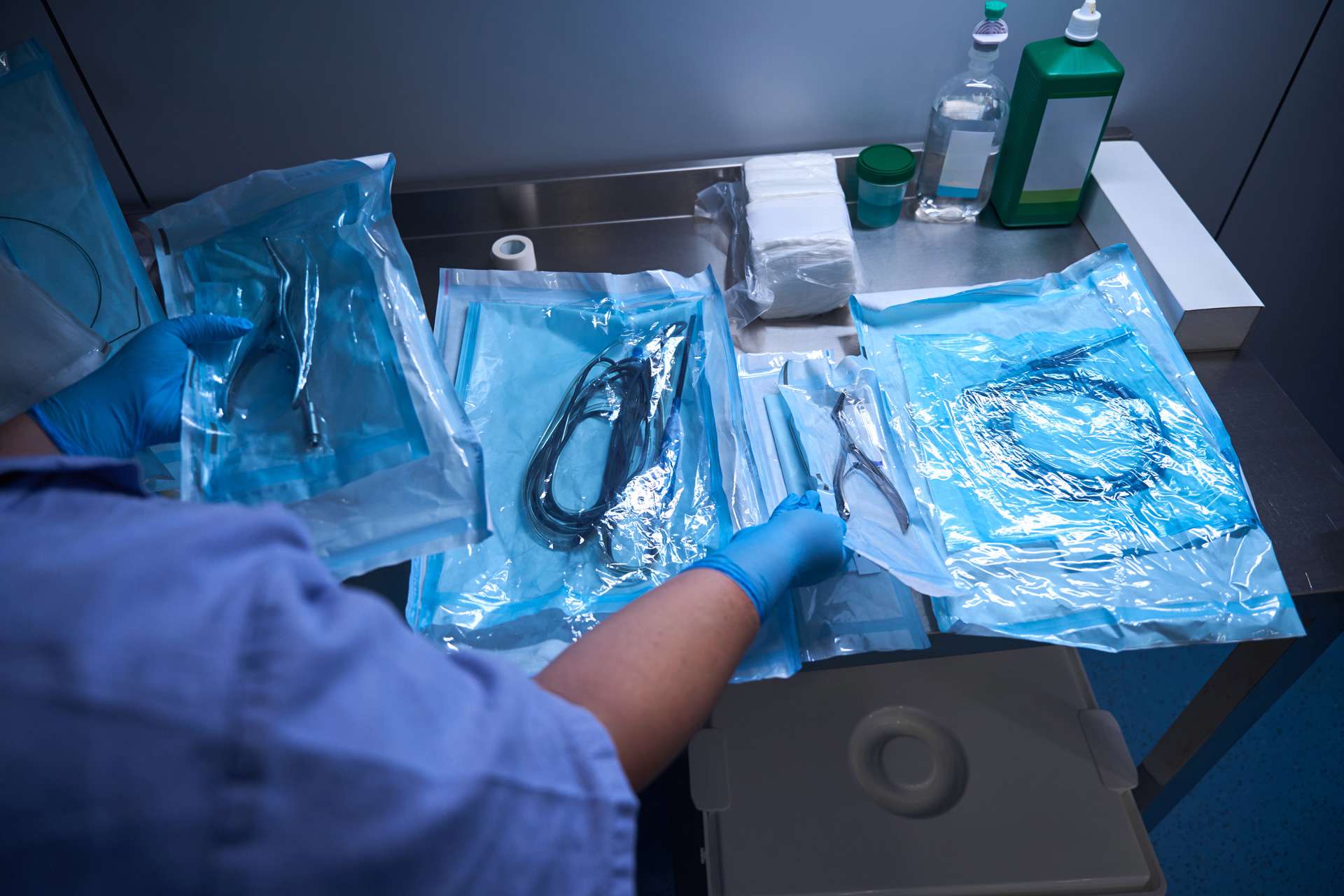
Yes—procedures done in primary care settings are typically very safe and follow strict clinical protocols. Providers use sterile techniques, evidence-based practices, and up-to-date training to ensure patient safety.
The advantages are substantial: timely intervention, personalized care, and the ability to follow up easily with the same provider. Since many primary care physicians maintain certifications and undergo regular training in procedural skills, they are more than capable of handling these common concerns.
In fact, early and routine management of minor issues by a trusted provider can prevent complications and unnecessary specialist visits, improving both outcomes and patient satisfaction.
Related: How Primary Care Supports Healthy Development in Children
What are the benefits of receiving procedures at a faith-based clinic?
Faith-based clinics like Desert Springs Medical Center P.C. provide a unique atmosphere where medical care is integrated with Christian compassion, dignity, and prayerful support. Patients are often more at ease knowing that their physical, emotional, and spiritual needs are all being considered.
Here are some benefits of choosing a Christian primary care clinic for minor procedures:
- Trust in providers who align with your values
- Prayer and spiritual guidance upon request
- Emphasis on whole-person healing
- Compassionate care grounded in Biblical principles
- A family-like environment that promotes long-term wellness
This holistic approach enhances comfort and trust, especially when undergoing procedures that might otherwise feel intimidating.
Related: A Patient-Centered Approach to Primary Care and Wellness
When should I see a specialist instead?
While primary care can handle many minor procedures, there are times when seeing a specialist is the best course. Your primary care provider will help identify these situations based on the complexity of your condition, the risk of complications, or the need for advanced equipment.
You may be referred to a specialist if:
- The lesion is large, deep, or in a sensitive area
- You have complex medical conditions affecting treatment
- The procedure requires sedation or hospital-level tools
- Previous treatment attempts have failed
- Diagnostic uncertainty exists and a second opinion is needed
Ultimately, your primary care team acts as a guide—helping you make informed decisions and ensuring you’re cared for by the right professional at the right time.
How does Christian care influence medical decision-making?
In a Christian primary care setting, healthcare decisions are often guided by Biblical values such as stewardship, compassion, and respect for the sanctity of life. While medical science drives clinical decisions, the patient’s faith and spiritual needs are also taken into account.
This might mean praying before a procedure, discussing the moral implications of a treatment option, or simply providing comfort rooted in scripture. Christian medical professionals aim to reflect Christ’s love in every interaction, offering both competent and compassionate care.
This faith-centered approach reassures many patients that their healthcare aligns with their beliefs—especially when facing health challenges that require both physical and emotional support.
Micro-FAQ: Minor Procedures in Primary Care
Can I get a wart removed at my primary care clinic?
Yes, many primary care providers offer cryotherapy or minor surgery for wart removal during regular office visits.
Are injections for joint pain done in primary care?
Absolutely. Joint injections are commonly administered by primary care physicians for conditions like arthritis and bursitis.
Is it safe to get a mole removed without going to a dermatologist?
Yes, if the mole appears non-cancerous, your primary care doctor can usually remove it safely and send it for testing if needed.
Ready for trusted, faith-based medical care in a setting that values your whole health?
Contact Desert Springs Medical Center P.C. in Las Cruces, New Mexico to schedule your next visit. Whether you need a routine checkup or a minor procedure, Erica Gutierrez, NP and Juan Gutierrez, NP are here to provide compassionate, expert care grounded in Christian values.
Your healing starts here.